Jul 27, 2026
How to Prepare for Your Camping Vacation: A Complete Guide

Camping is one of Canada’s favorite ways to enjoy the outdoors. Whether you’re planning a weekend in a tent, travelling in an RV, or heading into the backcountry, a successful camping trip starts with good preparation. from choosing the right destination to making sure your insurance coverage is adequate, planning ahead helps you avoid unexpected expenses and enjoy your adventure with confidence.

In this guide, we’ll cover everything you need to know before heading into nature.


1. Why Planning Ahead Matters

A camping vacation should be relaxing—not stressful. preparing in advance helps you:

  • Avoid unnecessary expenses
  • Stay safe during your trip
  • Pack everything you need
  • Protect your home while you’re away
  • Make the most of your vacation

A little planning goes a long way toward creating lasting memories with family and friends.


Set a Realistic Camping Budget

Every successful trip starts with a budget. think about all the costs involved—not just campground fees.

Common camping expenses include:

  • Fuel or transportation
  • Campground or park fees
  • Food and drinks
  • Camping equipment
  • Outdoor activities
  • Firewood
  • Clothing
  • Souvenirs
  • Emergency purchases

A smart rule is to leave 10–15% of your budget for unexpected expenses such as equipment replacement, weather-related changes, or vehicle repairs.


2. Choose the Right Camping Destination

Canada offers everything from provincial parks to remote wilderness adventures. when selecting a campsite, consider:

  • Distance from home
  • Your travel budget
  • Available amenities
  • Pet-friendly options
  • Family activities
  • Washrooms and showers
  • Cell phone coverage
  • Online reviews

If you’re camping during peak season, reserve your campsite well in advance.


3. Review Your Insurance Coverage Before You Leave

Many campers don’t realize that their existing insurance policies may already provide valuable protection.

Auto Insurance

If you’re travelling by car, truck, or certain types of RVs, your auto insurance may cover your vehicle while you’re on the road.

Home Insurance

Your home insurance may also protect personal belongings temporarily taken away from your residence, including camping equipment such as:

  • Tents
  • Sleeping bags
  • Camping furniture
  • Portable electronics
  • Clothing

Coverage limits and exclusions vary between policies, so it’s worth reviewing your insurance before your trip.

Do You Need Travel Insurance?

If you’re camping close to home, additional travel insurance may not be necessary. however, travel insurance becomes much more important if you:

  • Travel outside your province
  • Visit another country, including the United States
  • Plan an extended camping trip
  • Participate in higher-risk outdoor activities

Medical emergencies abroad can be expensive, making travel insurance a worthwhile investment.

Tip: If you’re travelling to the U.S., many insurance professionals recommend at least $2 million in emergency medical coverage.


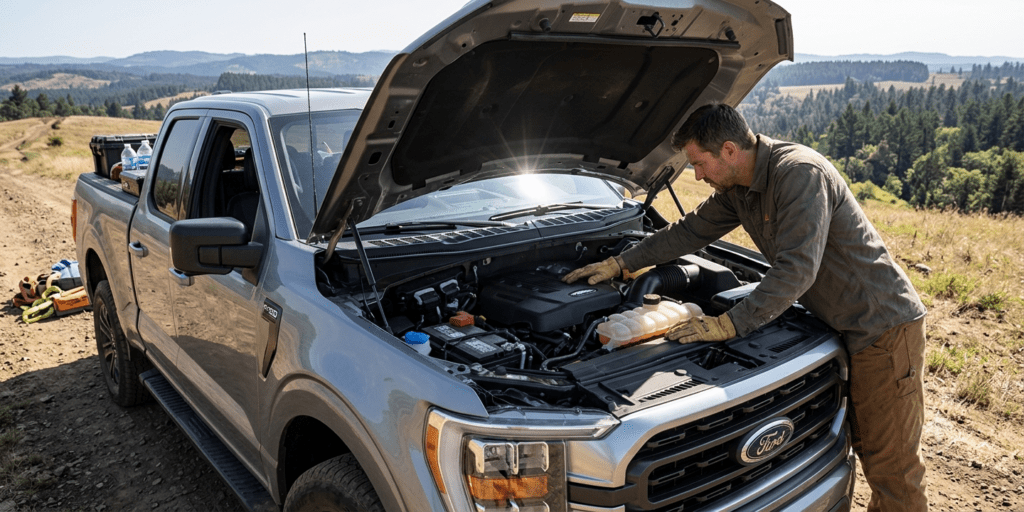
4. Prepare Your Vehicle

Before a long drive, inspect your vehicle to reduce the chance of breakdowns. your checklist should include:

  • Tire pressure
  • Oil level
  • Coolant
  • Windshield washer fluid
  • Brakes
  • Lights
  • Battery condition

Don’t forget your emergency kit, including:

  • Flashlight
  • Jumper cables
  • First-aid kit
  • Blankets
  • Water
  • Phone charger
camping

5. Pack Early

Waiting until the night before usually means forgetting something important. create a packing checklist several days before departure.

Essential camping gear

  • Tent
  • Sleeping bag
  • Sleeping pad
  • Camping stove
  • Cooking supplies
  • Water bottles
  • Food
  • Flashlight
  • Extra batteries
  • Multi-tool
  • Insect repellent
  • Sunscreen
  • Rain gear

If you’re camping with children, remember helmets, outdoor games, medications, and comfort items.


6. Bring Important Documents

Keep both physical and digital copies of important documents. these include:

  • Driver’s licence
  • Health card
  • Passport (if required)
  • Vehicle registration
  • Insurance documents
  • Campground reservation confirmation

Store copies on your phone in case originals are lost.


7. Protect Your Home Before Leaving

An empty home can become an easy target. before leaving:

  • Lock all windows and doors.
  • Set indoor lights on timers.
  • Hold your mail or ask a neighbour to collect it.
  • Turn off unnecessary appliances.
  • Adjust your thermostat if appropriate.
  • Let a trusted friend or neighbour know you’ll be away.

These simple steps help reduce security risks while you’re enjoying your trip.


Camping Safety Tips

Nature is unpredictable. follow these safety practices:

  • Check the weather forecast.
  • Keep food stored securely.
  • Never leave a campfire unattended.
  • Follow local fire restrictions.
  • Stay hydrated.
  • Carry a first-aid kit.
  • Tell someone your travel plans if heading into remote areas.

Frequently Asked Questions

Is camping equipment covered by home insurance?

In many cases, yes. Personal belongings temporarily away from your home may be covered, subject to your policy limits, deductible, and exclusions.

Do I need travel insurance for camping?

It depends on where you’re travelling. Camping close to home may not require additional coverage, but travelling outside your province or country often makes travel insurance a smart choice.

Does auto insurance cover an RV?

Some RVs may be covered under an auto insurance policy, while others require specialized RV insurance. Check with your insurance provider before your trip.

How much emergency medical coverage should I have when travelling to the U.S.?

Many insurance professionals recommend at least $2 million in emergency medical coverage due to the high cost of healthcare in the United States.


Final Thoughts

Camping is one of the best ways to experience Canada’s incredible outdoors, but preparation makes all the difference. Planning your budget, packing carefully, checking your insurance, and taking a few safety precautions can help ensure a smooth and enjoyable trip. before you head out, review your insurance coverage so you know you’re protected wherever your adventure takes you.


Get a Quote

Planning a camping trip? Make sure your home, auto, travel, or RV insurance provides the protection you need before you leave.

Contact Bonjour Assurance today for a personalized insurance quote and travel with confidence.

reference

More Details
Apr 30, 2026
How to Protect Your Home from Natural Disasters: Practical Steps That Make a Difference

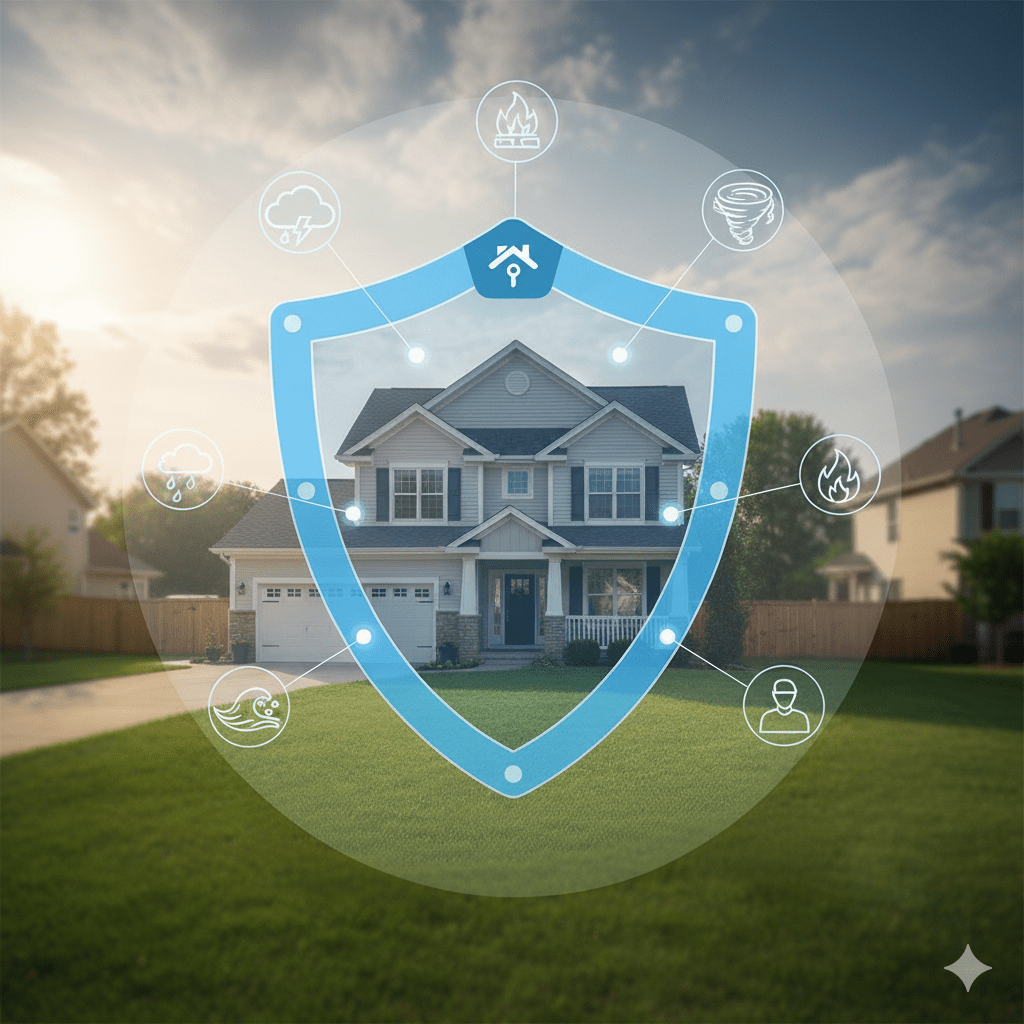
Extreme weather events are no longer rare occurrences. From floods and severe storms to wildfires, natural disasters are increasing in both frequency and intensity. For homeowners, this means a higher risk of property damage, unexpected repair costs, and long-term financial stress.

Preparing for these events is no longer something you can postpone. It’s a necessary step toward protecting not only your property but also your safety and peace of mind. While insurance coverage helps reduce the financial burden after a disaster, prevention is what truly minimizes damage in the first place.

👉 To strengthen your protection, check out our Home Insurance Coverage and Health Insurance Plans.


Understanding the Growing Risk of Natural Disasters

Climate Change Is Reshaping Risks

Climate change is one of the main drivers behind the rise in natural disasters. Weather patterns are shifting, and areas that were once considered low-risk are now experiencing extreme conditions. Heavy rainfall, for example, is overwhelming drainage systems and increasing the risk of flooding in residential areas.

More Frequent and Severe Events

Storms are becoming stronger, wildfire seasons are lasting longer, and extreme weather events are happening more often than ever before. This growing intensity leads to more significant damage, affecting homes, infrastructure, and vehicles.

Financial Impact on Homeowners

With increasing risks, insurance companies are adjusting their policies. This can mean higher premiums or stricter coverage requirements. Homeowners who take preventive measures are often better positioned to manage these changes and avoid costly claims.

👉 Learn how to stay financially prepared with our Financial Insurance Solutions.


The Most Common and Costly Disasters

Flood Damage

Flooding is one of the leading causes of property damage. Water can quickly seep into basements, walls, and foundations, leading to expensive repairs and potential health risks like mold.

Wind and Storm Damage

Strong winds can tear off roofs, break windows, and damage outdoor structures. Flying debris can further increase the risk of destruction.

Ice, Snow, and Hail

Winter storms and hail can damage roofs, vehicles, and exterior surfaces. Ice buildup can also create dangerous conditions for both homes and roads.

Wildfires

Wildfires are expanding into new areas, putting more homes at risk. Dry conditions and strong winds can cause fires to spread rapidly.

Natural Disaster

5 Practical Ways to Reduce Damage

1. Maintain Your Drainage System

Regularly cleaning your gutters and drains helps prevent water buildup. Blocked drainage systems can cause water to overflow and damage your roof, walls, and foundation.

2. Strengthen Doors and Windows

Your doors and windows are among the most vulnerable parts of your home. Make sure they are properly sealed and reinforced to withstand harsh weather conditions.

3. Secure Outdoor Belongings

Outdoor furniture, grills, and tools should be stored safely when bad weather is expected. Strong winds can turn these items into dangerous projectiles.

4. Build a Reliable Emergency Kit

An emergency kit should include essentials like water, non-perishable food, flashlights, batteries, and first aid supplies. Having these items ready can make a critical difference during an emergency.

5. Create a Protective Space Around Your Home

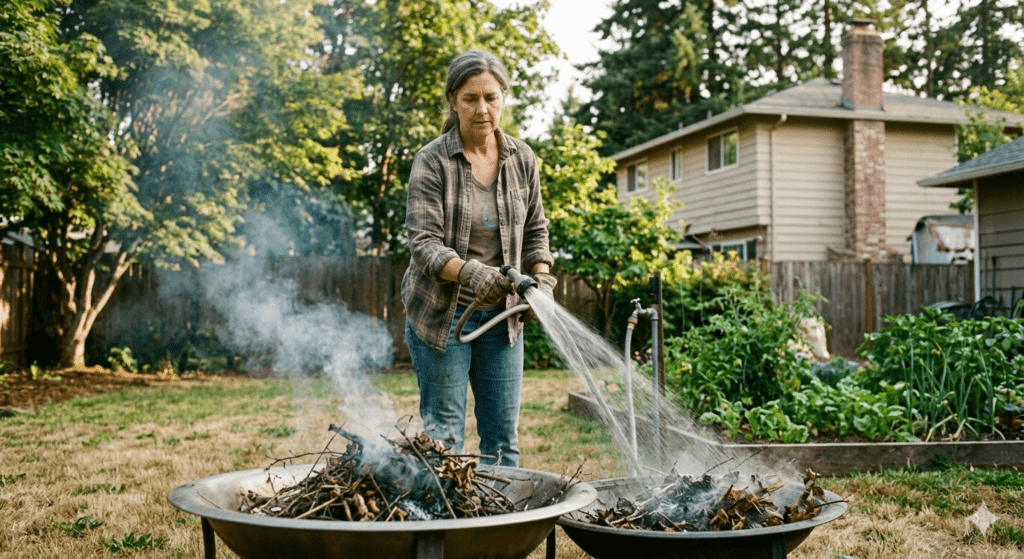
If you live in an area prone to wildfires, clear dry plants and debris around your property. This creates a buffer zone that can slow down or prevent the spread of fire.


Smart Ways to Protect Your Car

Choose Safe Parking

Whenever possible, park your car in a garage or under a shelter. This protects it from hail, falling branches, and debris.

Avoid Flood-Prone Areas

Parking in low-lying areas increases the risk of flood damage. Even a small amount of water can damage your vehicle’s engine and electrical systems.

Stay Updated on Weather Conditions

Before heading out, check the weather forecast. Planning ahead can help you avoid dangerous situations and reduce risks on the road.


Why Prevention and Insurance Go Hand in Hand

Preventive measures can significantly reduce the risk of damage, but they cannot eliminate it entirely. This is why having the right insurance coverage is essential. A comprehensive policy can help cover repair costs, temporary housing, and other unexpected expenses.

👉 Explore your options:


Final Thoughts

Natural disasters are unpredictable, but your level of preparedness doesn’t have to be. By taking simple, proactive steps, you can reduce potential damage and protect what matters most.

Preparation is about control—knowing that you’ve done everything possible to safeguard your home and your family.


🔥 Get the Protection You Need Today

Don’t leave your safety and finances to chance.

👉 Get a Quote Now and secure the right insurance coverage for your future.

Reference

More Details
Dec 6, 2025
Holiday Season Safety Tips for a Safe and Peaceful Celebration

The holiday season brings joy, warmth, and the perfect opportunity to gather with loved ones. Yet, it also introduces seasonal risks that can compromise your home’s safety if left unaddressed. From theft prevention to fire safety and winter travel considerations, taking a few precautions can significantly reduce potential hazards. This guide expands on key recommendations to help you protect your home and enjoy a truly stress-free festive season.

For year-round protection and coverage options, visit our Home Insurance page at
https://bonjourassurance.com/home-insurance/


1. Prevent Theft Through Smart, Subtle Choices

Unfortunately, the holiday season is a prime time for theft. Shopping bags in cars, delivered packages, and social media posts about travel plans can all signal opportunity to thieves.

When shopping in person, store purchased items in the trunk, ensuring they are not visible through the windows. Thieves often scan parking lots for easily accessible items, especially during December.

If you shop online, remember that packages left unattended on porches can be stolen within seconds. Arrange delivery times, use pickup points, or request in-building drop-offs when possible.

If you are travelling, avoid posting your plans publicly until you return home. Announcing your absence unintentionally signals that your home is unoccupied.

To strengthen your protection year-round, explore additional theft-prevention guidance through our Home Insurance resources:
https://bonjourassurance.com/home-insurance/


2. Keep Your Christmas Tree Safe and Reduce Fire Risks

Holiday décor creates a warm, festive atmosphere, but it can also introduce fire hazards. Artificial trees are generally safer, but natural trees can be used safely with proper care.

Position your tree away from fireplaces, candles, radiators, and high-traffic passages. Natural trees dry out quickly, so ensure the stand has a water reservoir and refill it daily. Dry branches ignite easily, especially when using older non-LED light sets.

Never burn Christmas tree branches in your fireplace. Needles burn intensely and can cause sudden flare-ups. Local municipalities usually have clear rules for tree disposal—follow these guidelines for safe removal.

For more seasonal home-safety advice, visit:
https://bonjourassurance.com/home-insurance/

Holiday

3. Use Holiday Lights Safely—Indoors and Outdoors

Holiday lights create a cozy and festive environment, but electrical issues are a major cause of seasonal fires. A few simple steps dramatically reduce risks.

Always choose lights certified by safety organizations such as CSA

Ensure that each string of lights and extension cord is designed for its intended setting—indoor lights should never be used outdoors. Before installation, inspect wires carefully and replace any with damaged insulation.

Turn lights off before leaving home or going to bed. Avoid placing cords under carpets where they can overheat or be damaged. Also, prevent overloading power outlets or extension strips.

For long-term home protection, explore our insurance guidance at:
https://bonjourassurance.com/home-insurance/


4. Plan Ahead Before Winter Driving

If you’re heading to gatherings, dinners, or trips during the holidays, winter driving safety is critical. Weather conditions can change quickly, and preparing in advance helps prevent accidents.

Check weather updates before leaving and adapt your driving to conditions such as snow, ice, or reduced visibility. Always clear all snow from your vehicle—including roof, lights, and mirrors—to ensure your safety and the safety of other drivers.

If leaving home for several days, take steps to make your home appear occupied:
• Leave a light on a timer
• Have someone shovel your walkway
• Ask a neighbour to collect your mail
• Shut off your water supply to avoid frozen or burst pipes

Learn more about protecting your home from winter risks here:
https://bonjourassurance.com/home-insurance/


5. Host Guests Safely and Minimize Household Risks

Gathering with family and friends is one of the best parts of the season, but a busy home increases the risk of slips and fire hazards.

Before guests arrive, clear snow and ice from sidewalks, steps, and all exterior entrances. This prevents falls and ensures safe access.

In the kitchen, distractions are common. Follow these safety steps:
• Never leave cooking unattended
• Use timers to keep track of meals
• Choose electric deep fryers over stovetop oil pots
• Handle fondue burners carefully and avoid refilling when hot

Also, ensure that guests who have consumed alcohol do not drive. Offer rides, call a taxi, or encourage overnight stays.

For full home-protection insights, visit:
https://bonjourassurance.com/home-insurance/

More Details
Nov 1, 2025
Home Insurance Tips for Water Heater Safety

When it comes to protecting your home, few issues cause as much unexpected damage as a leaking water heater. A burst or faulty tank can lead to flooding, expensive repairs, and potential insurance claims. Here are four essential tips to help you maintain your water heater and keep your home insurance coverage strong.

1. Know the Age and Condition of Your Water Heater

Most water heaters have a lifespan of about 10 to 12 years. If yours is approaching that age, it’s important to start monitoring it closely for any signs of corrosion, rust, or leaks.
A good habit is to note the installation date — you’ll usually find it on the manufacturer’s label. If you’ve recently purchased a new home, ask your inspector about the tank’s age and condition.
👉 Replacing an older unit before it fails can save you thousands in potential water damage and claims.

2. Drain and Maintain the Tank Regularly

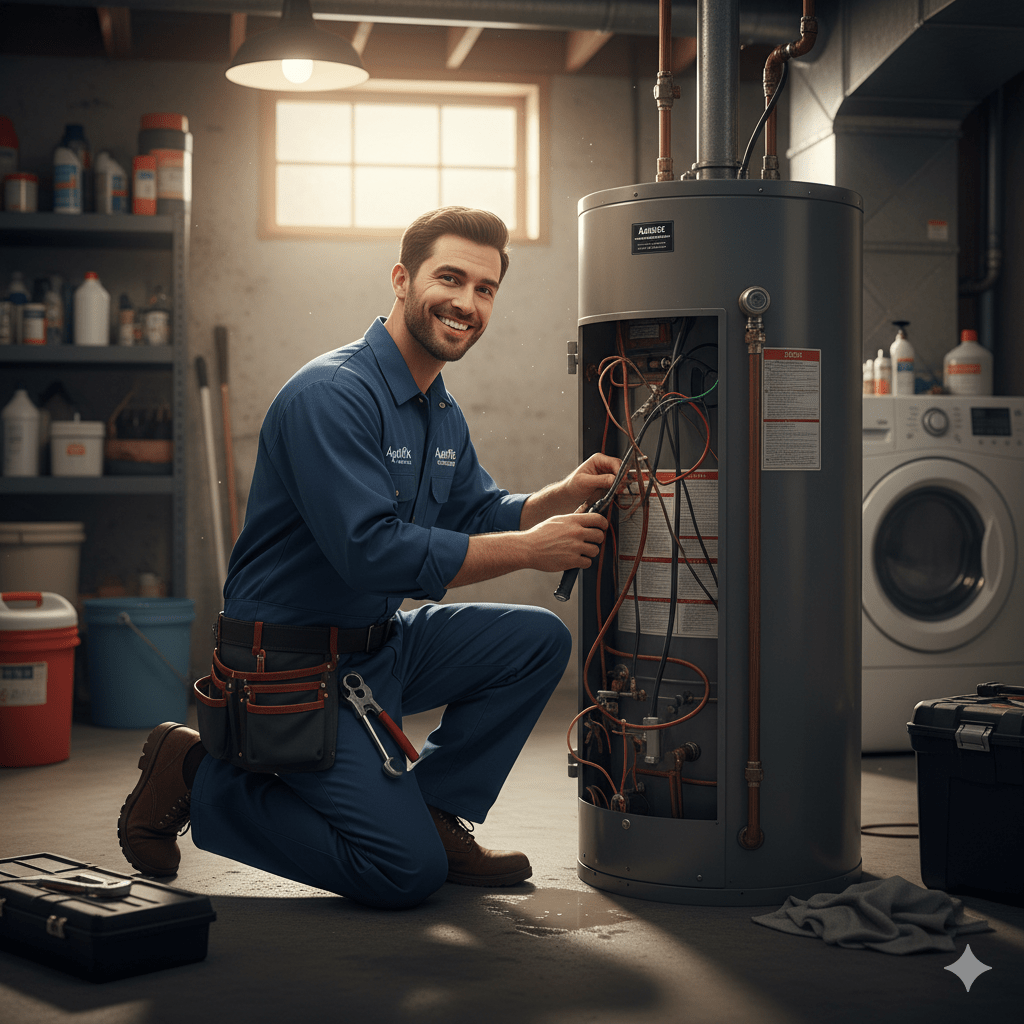
Over time, minerals and sediment build up inside your tank, reducing efficiency and increasing the risk of internal corrosion. Experts recommend draining your water heater once or twice a year.
This simple task helps extend the unit’s lifespan and maintain optimal performance. If you’re not comfortable doing it yourself, hire a licensed plumber to handle the maintenance safely.

water heater

3. Install a Leak Detector and Safety Valve

Smart water leak detectors are small devices that alert you instantly when a leak is detected. Some even connect to your smartphone, allowing you to act before damage spreads.
Also, make sure your pressure relief valve is functioning correctly. This valve prevents dangerous pressure buildup and is an essential safety feature on all modern water heaters.

4. Review Your Home Insurance Policy

Not all home insurance policies cover the same level of water damage. Some may exclude damage caused by gradual leaks or poor maintenance.
It’s a good idea to review your policy and confirm what’s covered. If you’re unsure, contact your insurer or speak with one of our advisors at Bonjour Assurance to make sure your plan provides full protection.
For a detailed overview of coverage options and how they relate to household risks, check out our Ultimate Insurance Guide.

Final Thoughts

Your water heater might not be something you think about often — until it causes a problem. Regular inspections, timely replacements, and the right insurance coverage can make all the difference in protecting your home.
For more information and personalized advice, visit Bonjour Assurance or read our Ultimate Insurance Guide.

Original reference: iA Financial Group – 4 Key Tips: Water Heaters and Home Insurance

More Details
Oct 25, 2025
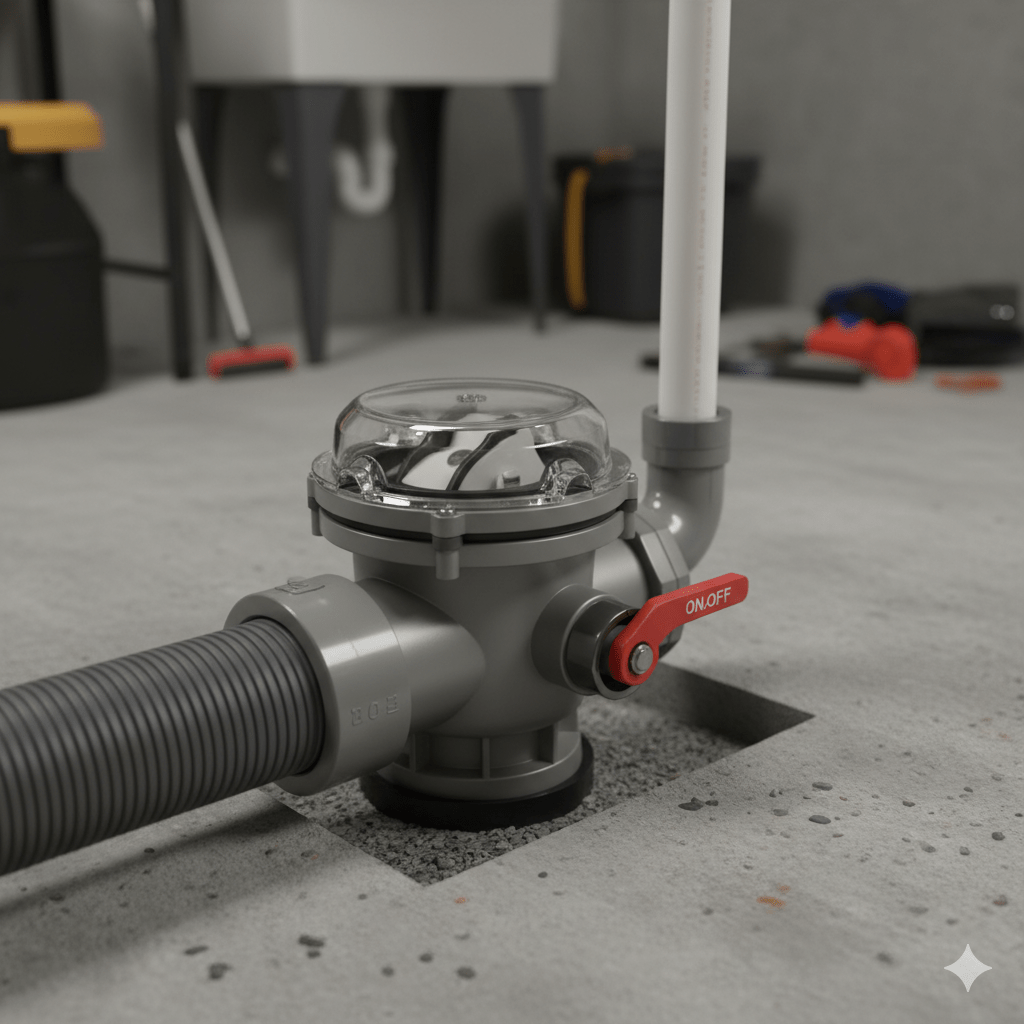
Stop Basement Floods with a Backwater Valve

Flooding is one of the most common and expensive problems homeowners face—especially when it comes from the sewer system backing up into your basement. The good news? A simple device called a backwater valve can protect your home from that kind of disaster.

What Is a Backwater Valve

A backwater valve is a one-way gate installed on your home’s main sewer line. It allows wastewater to flow out of your home but automatically closes if water starts to flow backward from the municipal sewer system.

When installed properly, it acts as a strong defense barrier that prevents sewage from entering your basement during heavy rain or municipal drainage overloads.

👉 For detailed home insurance protection options, visit Bonjour Assurance’s Home Insurance page.

How Does It Work

Here’s the simple mechanism behind it:
When wastewater flows normally, the valve’s flap stays open. If the city’s sewer becomes overwhelmed and starts pushing water backward, the flap floats up and seals shut, blocking the backflow. Once the pressure subsides, it reopens automatically.

This process happens within seconds—protecting your basement before any water has a chance to enter.

Why Every Home Should Have One

Installing a backwater valve isn’t just for flood-prone areas. Even if your neighborhood rarely experiences flooding, extreme weather events can overwhelm sewers unexpectedly.

Without a valve, your basement is vulnerable to contaminated water, expensive repairs, and potential health risks.

💡 Insurance tip: Many insurance providers (including us at Bonjour Assurance) offer discounts or coverage benefits for homes equipped with a certified backwater valve. It shows you’ve taken preventive measures to protect your property.

How to Maintain Your Backwater Valve

Like any home system, your valve needs regular maintenance to stay reliable:

  • Inspect it at least once a year.
  • Remove debris or buildup that might block the flap.
  • Test its function after heavy rainfall.
  • If unsure, hire a licensed plumber for inspection or cleaning.

Some municipalities even offer rebates or installation programs for backwater valves — check with your local city office for available assistance.

Final Thoughts

A backwater valve might not seem like a big deal, but when a storm hits, it can save you thousands of dollars in cleanup costs and prevent days (or weeks) of disruption.

Whether you’re buying a new home or improving your current one, adding this small but powerful device is one of the smartest investments you can make.

🔗 Learn more about protecting your property with the right coverage at Bonjour Assurance.
📚 Original reference: iA Financial Group – Backwater Valve Advice

More Details
Oct 12, 2025
Home Insurance and Subletting – Everything You Need to Know Before Renting Out Your Place

Thinking of subletting your home while you’re away? Learn how subletting affects your home insurance, what risks are involved, and how to stay protected.

What Does Subletting Actually Mean

Subletting means renting out your home to another person (a subtenant) while you still hold the main lease. Unlike a lease transfer, you don’t give up your rights to the property, and you remain responsible for rent payments and potential damages.

Even if you’re not living in the unit, you’re still legally the tenant. That means:

  • You must ensure rent is paid on time.
  • You are responsible for any damages caused by the subtenant.
  • Your landlord must approve the sublet agreement.

There are generally two types of sublets — long-term and short-term, and each affects your home insurance differently.

Long-Term Subletting and Your Home Insurance

A long-term sublet means you plan to come back home later. While it can help you manage expenses while away, it also brings insurance considerations.

👉 Important: Your current home insurance doesn’t automatically cover your subtenant.
Home insurance policies apply only to the person named in the contract, not to everyone living there.

Here’s what you should do:

  • Inform your insurer about the sublet.
  • The insurance provider may reassess the risk level.
  • The subtenant must have their own tenant insurance policy.

In Quebec, you must also notify your landlord officially by submitting a sublease notice.

Home insurance

Short-Term Subletting (Airbnb, Vrbo, etc.)

Renting out your home through platforms like Airbnb or Vrbo is also considered subletting — even if it’s just for a few days.

Before listing your property:

  • Check local regulations — some cities restrict short-term rentals.
  • Know that most home insurance policies don’t cover rentals exceeding 30 days per year.
  • Continuous short-term rentals may be classified as a business activity, which standard insurance doesn’t cover.

Your insurer may require you to:

  • Add a short-term rental endorsement to your policy.
  • Get additional coverage for guest-related damages or liability if someone is injured during their stay.

Some platforms offer host protection, but it’s only a secondary coverage — not a substitute for your own home insurance.

Legal Responsibilities and Tenant Protection

The Tribunal administratif du logement closely monitors subletting and lease transfers.
Contrary to common belief, tenants can’t simply break a lease by giving three months’ notice — rules differ based on local laws.

Before subletting, consult your trusted insurance advisor to ensure you don’t end up dealing with an uninsured subtenant.

Need Advice About Home Insurance

At Bonjour Assurance, we help you make smart insurance choices.
Whether you plan to sublet or need new home coverage, our advisors can guide you through the process and ensure you’re protected.

👉 Get a Home Insurance Quote
👉 Learn More About Home Insurance

More Details