Nov 2, 2026
Climate Risks Are Reshaping the Insurance Industry: Why Insurers and Governments Must Act Now
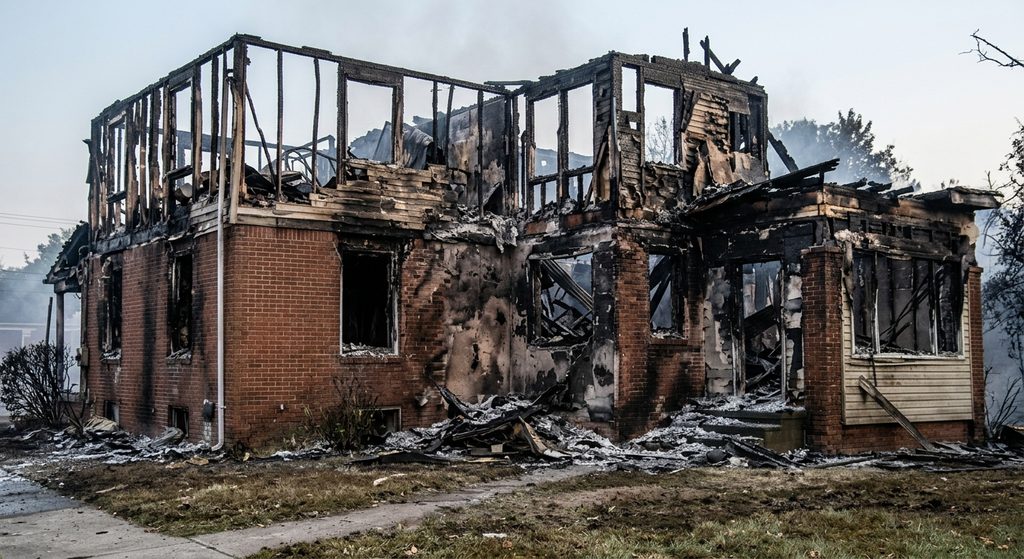
Climate change is no longer a distant concern for the insurance industry. Its financial consequences are already becoming visible in markets worldwide, as increasingly severe wildfires, floods and other natural disasters make it harder to insure homes, businesses and infrastructure. From California communities exposed to wildfires to flood-threatened areas across the United Kingdom, insurers are confronting a growing challenge: determining how much risk they can realistically cover and at what cost.
The implications extend well beyond insurance premiums. When properties become difficult or impossible to insure, the consequences can spread throughout the financial system. Mortgage lenders may hesitate to finance properties without adequate coverage, real estate values can decline, investors may reconsider their exposure to vulnerable regions, and local economies can face mounting financial pressure. As a result, climate-related insurance challenges are increasingly becoming a concern for governments, financial institutions, businesses and households alike.
The Growing Climate Protection Gap Is Becoming a Financial Threat
The difference between the economic losses caused by natural disasters and the portion covered by insurance is known as the protection gap. This measure highlights how financially exposed individuals, businesses and governments remain when extreme weather events occur. According to estimates from Swiss Re , the global natural catastrophe protection gap reached approximately $424 billion in 2025. This figure illustrates the enormous financial burden that remains uninsured following disasters and highlights the limitations of existing insurance arrangements in protecting communities against escalating climate risks.
The problem becomes particularly serious when insurers reduce their exposure in high-risk locations or withdraw certain coverage options altogether. Without insurance, property owners may struggle to secure mortgages or other forms of financing. Reduced demand for properties in vulnerable areas can place additional pressure on housing prices, while businesses may find it increasingly difficult to attract investment or maintain operations. These developments can create a chain reaction in which climate-related losses gradually undermine financial stability. What initially appears to be an insurance market problem can eventually affect the availability of credit, investment activity and the economic health of entire communities.
Affordable Insurance Does Not Necessarily Mean Lower Risk
Rising insurance premiums and limited coverage options have become major concerns for households facing increasing living costs. Understandably, many consumers expect insurers and governments to maintain affordable protection, particularly in regions where climate-related disasters are becoming more frequent. However, keeping premiums artificially low should not be mistaken for an effective climate resilience strategy. Insurance prices are intended to reflect the potential financial consequences of risk. When those signals are suppressed, homeowners, businesses and policymakers may underestimate the level of protection required.
This creates a difficult balance for the insurance industry. On one hand, insurers must maintain financially sustainable operations and account for the growing likelihood of large claims. On the other, higher premiums can make coverage inaccessible to households that are already financially vulnerable. Addressing this challenge requires more than simply controlling insurance prices. Governments and insurers need coordinated approaches that preserve access to coverage while encouraging investments in prevention, stronger infrastructure and disaster preparedness.
International experience offers several useful examples. In the United Kingdom, Flood Re operates as a partnership between the government and insurance industry, helping make flood insurance more accessible to eligible households in high-risk areas through a system that redistributes part of the financial exposure.
France has also developed government-supported arrangements for natural catastrophe coverage, integrating insurance protection with public-sector involvement. Although these systems have different structures and limitations, they demonstrate that governments can play an important role in maintaining insurance availability when private markets face significant pressure.
Accurate Climate Risk Models Are Essential for Better Decisions
Insurance companies rely heavily on catastrophe modelling, actuarial analysis and climate projections to estimate potential losses and determine appropriate premiums. These tools help insurers understand how changing weather patterns could influence future claims and whether particular properties or regions remain insurable. Although climate models cannot predict every event with absolute precision, their role in financial planning is becoming increasingly important. Decisions based on incomplete or overly optimistic assumptions can leave insurers, governments and property owners poorly prepared for future losses.
Concerns about the reliability of climate risk assessments have also emerged within the insurance industry. A recent memorandum published by Inside Track, prepared by senior insurance and reinsurance professionals from the United Kingdom and Europe, raised questions about whether some catastrophe modellers and actuaries are being encouraged to reduce their future risk estimates to avoid creating concern or disrupting commercial negotiations. The document specifically highlights the possibility that professionals may face pressure to present less alarming projections, even when the available evidence indicates a greater level of exposure. Such practices could weaken the industry’s ability to identify emerging threats and communicate their financial implications accurately.
For insurers, maintaining confidence in risk assessment requires transparency and technical independence. Climate projections should be incorporated into modelling processes, assumptions should be regularly reviewed, and uncertainty should be acknowledged rather than used as a reason to minimize projected losses. Better modelling does not mean assuming that every forecast will become reality. Instead, it means using the strongest available scientific evidence to understand a range of possible outcomes and prepare financial strategies accordingly.
A New Framework Could Help Identify Future Insurability Challenges
One of the major obstacles to addressing climate-related insurance risks is the lack of a consistent way for different industries to evaluate whether an asset, location or business remains insurable over the long term. The insurance industry often has access to detailed information about physical risks, but this knowledge does not always translate into decisions made by property developers, lenders, investors or government authorities.
To address this disconnect, the Centre for Sustainable Finance at the University of Cambridge has introduced the ClimateWise Insurability Readiness Matrix. The framework is designed to help insurers, financial institutions, developers and policymakers assess the factors that determine whether a property, region or economic sector can maintain access to insurance as climate risks evolve.
The matrix evaluates seven key areas, including the quality of risk data and modelling, physical resilience, policy alignment and the systems available to support recovery after disasters. Each component receives a traffic-light assessment, accompanied by an indication of whether conditions are improving or deteriorating and recommendations for further action. This approach provides stakeholders with a shared framework for identifying weaknesses before they lead to insurance market withdrawal. Rather than treating rising premiums or reduced coverage as isolated problems, the framework encourages decision-makers to examine the underlying conditions that make certain locations increasingly difficult to insure. Its broader objective is to help insurers remain active in challenging markets by identifying practical improvements that can reduce exposure and strengthen long-term resilience.
International Examples Show That Climate Resilience Can Improve Insurance Access
Experiences from several countries demonstrate that targeted investments, better information and coordinated policies can make a meaningful difference to insurance availability.
Nigeria: Better Flood Data Supports More Accessible Coverage
Lagos, one of Africa’s largest urban centres, has faced significant challenges associated with flooding and growing urban exposure. Improving access to reliable flood information has helped insurers better understand the distribution of risk across the city. According to a case study published by the United Nations Development Programme , improved flood data enabled insurers to reduce technical premium estimates and supported the introduction of the city’s first parametric flood insurance product.
Unlike conventional insurance, parametric coverage pays out when a predefined event or measurable threshold is reached. For example, a policy may trigger payment when rainfall or flood levels exceed an agreed threshold, rather than requiring a lengthy assessment of individual property damage. This approach can help accelerate financial assistance following disasters, particularly in areas where traditional claims assessments are difficult or time-consuming.
United States: More Resilient Homes Can Help Maintain Insurance Availability
The experience of Paradise, California, illustrates the devastating consequences of wildfire exposure. The 2018 Camp Fire killed 85 people and destroyed more than 18,000 structures, leaving a lasting impact on the local community and its housing market. Rebuilding efforts have increasingly focused on reducing the vulnerability of homes to future wildfires. One initiative involves the Insurance Institute for Business & Home Safety’s Wildfire Prepared Home standard, which establishes measures intended to improve a property’s resistance to wildfire damage.
Such measures can include reducing combustible materials around buildings, improving roof protection and addressing other features that may allow flames or embers to ignite a home. By encouraging stronger construction and property protection standards, initiatives like this can help reduce potential insurance losses while supporting the recovery of communities exposed to recurring wildfire threats.
Chile: Financial Incentives Encourage Greater Insurance Participation
Chile provides another example of how public policy can influence insurance penetration. A combination of tax incentives supporting insurance purchases and property retrofitting helped increase household insurance penetration from 45% to 65%, according to the Insurance Development Forum’s analysis.
This example demonstrates that improving insurance coverage does not necessarily depend on expanding traditional insurance products alone. Financial incentives can encourage households to obtain protection while simultaneously investing in measures that reduce their exposure to physical damage.
Across these three examples, a common lesson emerges: improvements in information, property resilience and financial incentives can reinforce one another. Addressing one weakness can create opportunities to improve other parts of the insurance system.
Climate Resilience Could Also Influence Lending and Borrowing Costs
The relationship between insurance and climate risk is becoming increasingly important for banks and other financial institutions. A property exposed to flooding, wildfire or other natural hazards may represent a greater financial risk, particularly if it lacks adequate insurance or sufficient physical protection.
One emerging concept is resilience-adjusted credit risk. Under this approach, lenders would consider the investments made by individuals and businesses to reduce their exposure to climate-related hazards when assessing borrowing conditions.
For example, a homeowner who installs flood barriers, improves drainage systems or upgrades a property to meet stronger wildfire protection standards may present a lower level of physical risk than someone with an otherwise comparable property that has received no such improvements.
Recognizing these investments could encourage lenders to offer more favourable financing terms to borrowers who actively reduce their vulnerability. It could also create additional financial incentives for businesses to strengthen buildings, infrastructure and operational systems.
For this approach to work effectively, insurers will need to collaborate with banks, investors, businesses and public authorities. Insurance data and risk expertise can help financial institutions distinguish between properties that are becoming more vulnerable and those that are actively improving their resilience.
Insurers Need a Greater Role in Climate Policy and Urban Planning
Insurance companies possess substantial information about the financial consequences of physical hazards. Their experience in evaluating claims, estimating potential losses and identifying high-risk locations gives them an important perspective on how communities should prepare for climate-related events.
However, this expertise is most valuable when it influences decisions before major losses occur. Building regulations, land-use policies, infrastructure investments and lending standards can all benefit from a better understanding of insurance risk assessments.
For instance, local authorities could use information from insurers to identify areas where construction standards need strengthening or where additional flood protection infrastructure is necessary. Developers could incorporate resilience measures into new projects, while financial institutions could consider long-term climate exposure when evaluating investments.
Insurers should therefore be more actively involved in discussions between governments, financial institutions and other economic sectors. Their contribution should extend beyond providing coverage after losses occur. They can also help shape the policies and investment decisions that determine how vulnerable communities will be in the future.
The Future of Insurance Depends on Taking Climate Risk Seriously
Climate change is already influencing the availability and affordability of insurance across different markets. The growing protection gap, increasing pressure on premiums and concerns about the long-term insurability of certain locations indicate that traditional approaches may no longer be sufficient.
However, the situation is not without solutions. Better catastrophe modelling, stronger property standards, government-supported insurance arrangements and closer cooperation between insurers and financial institutions can all help reduce the financial consequences of climate-related disasters.
For homeowners and businesses, this also highlights the importance of understanding the risks associated with their properties and ensuring that their insurance coverage reflects their actual exposure. As climate conditions evolve, reviewing policy limits, exclusions and available protection options can become an increasingly important part of financial planning.
Ultimately, the insurance industry’s ability to respond to climate change will depend not only on how accurately it identifies emerging risks, but also on how effectively that information is shared and translated into practical action. Recognizing the warning signs early gives governments, businesses and households a better opportunity to protect their assets and maintain financial security.
Get a Quote
As climate-related risks continue to influence insurance markets, having appropriate coverage is an important part of protecting your financial future. Whether you are looking for home, life or other personal insurance solutions, understanding your coverage options can help you prepare for unexpected events.
Visit Bonjour Assurance to explore your insurance options and get a quote that matches your needs.
More Details