Jul 27, 2026
How to Prepare for Your Camping Vacation: A Complete Guide
Camping is one of Canada’s favorite ways to enjoy the outdoors. Whether you’re planning a weekend in a tent, travelling in an RV, or heading into the backcountry, a successful camping trip starts with good preparation. from choosing the right destination to making sure your insurance coverage is adequate, planning ahead helps you avoid unexpected expenses and enjoy your adventure with confidence.
In this guide, we’ll cover everything you need to know before heading into nature.
1. Why Planning Ahead Matters
A camping vacation should be relaxing—not stressful. preparing in advance helps you:
- Avoid unnecessary expenses
- Stay safe during your trip
- Pack everything you need
- Protect your home while you’re away
- Make the most of your vacation
A little planning goes a long way toward creating lasting memories with family and friends.
Set a Realistic Camping Budget
Every successful trip starts with a budget. think about all the costs involved—not just campground fees.
Common camping expenses include:
- Fuel or transportation
- Campground or park fees
- Food and drinks
- Camping equipment
- Outdoor activities
- Firewood
- Clothing
- Souvenirs
- Emergency purchases
A smart rule is to leave 10–15% of your budget for unexpected expenses such as equipment replacement, weather-related changes, or vehicle repairs.
2. Choose the Right Camping Destination
Canada offers everything from provincial parks to remote wilderness adventures. when selecting a campsite, consider:
- Distance from home
- Your travel budget
- Available amenities
- Pet-friendly options
- Family activities
- Washrooms and showers
- Cell phone coverage
- Online reviews
If you’re camping during peak season, reserve your campsite well in advance.
3. Review Your Insurance Coverage Before You Leave
Many campers don’t realize that their existing insurance policies may already provide valuable protection.
Auto Insurance
If you’re travelling by car, truck, or certain types of RVs, your auto insurance may cover your vehicle while you’re on the road.
Home Insurance
Your home insurance may also protect personal belongings temporarily taken away from your residence, including camping equipment such as:
- Tents
- Sleeping bags
- Camping furniture
- Portable electronics
- Clothing
Coverage limits and exclusions vary between policies, so it’s worth reviewing your insurance before your trip.
Do You Need Travel Insurance?
If you’re camping close to home, additional travel insurance may not be necessary. however, travel insurance becomes much more important if you:
- Travel outside your province
- Visit another country, including the United States
- Plan an extended camping trip
- Participate in higher-risk outdoor activities
Medical emergencies abroad can be expensive, making travel insurance a worthwhile investment.
Tip: If you’re travelling to the U.S., many insurance professionals recommend at least $2 million in emergency medical coverage.
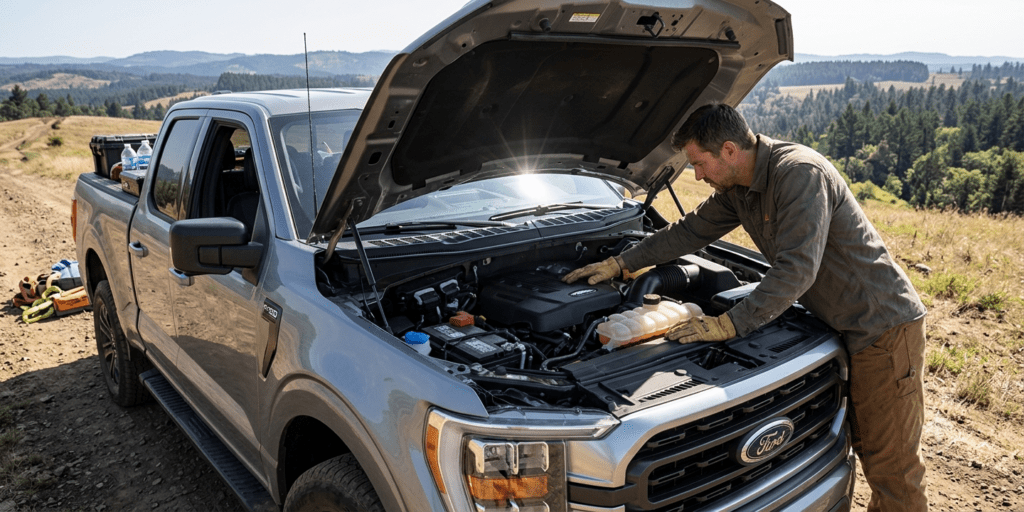
4. Prepare Your Vehicle
Before a long drive, inspect your vehicle to reduce the chance of breakdowns. your checklist should include:
- Tire pressure
- Oil level
- Coolant
- Windshield washer fluid
- Brakes
- Lights
- Battery condition
Don’t forget your emergency kit, including:
- Flashlight
- Jumper cables
- First-aid kit
- Blankets
- Water
- Phone charger
5. Pack Early
Waiting until the night before usually means forgetting something important. create a packing checklist several days before departure.
Essential camping gear
- Tent
- Sleeping bag
- Sleeping pad
- Camping stove
- Cooking supplies
- Water bottles
- Food
- Flashlight
- Extra batteries
- Multi-tool
- Insect repellent
- Sunscreen
- Rain gear
If you’re camping with children, remember helmets, outdoor games, medications, and comfort items.
6. Bring Important Documents
Keep both physical and digital copies of important documents. these include:
- Driver’s licence
- Health card
- Passport (if required)
- Vehicle registration
- Insurance documents
- Campground reservation confirmation
Store copies on your phone in case originals are lost.
7. Protect Your Home Before Leaving
An empty home can become an easy target. before leaving:
- Lock all windows and doors.
- Set indoor lights on timers.
- Hold your mail or ask a neighbour to collect it.
- Turn off unnecessary appliances.
- Adjust your thermostat if appropriate.
- Let a trusted friend or neighbour know you’ll be away.
These simple steps help reduce security risks while you’re enjoying your trip.
Camping Safety Tips
Nature is unpredictable. follow these safety practices:
- Check the weather forecast.
- Keep food stored securely.
- Never leave a campfire unattended.
- Follow local fire restrictions.
- Stay hydrated.
- Carry a first-aid kit.
- Tell someone your travel plans if heading into remote areas.
Frequently Asked Questions
Is camping equipment covered by home insurance?
In many cases, yes. Personal belongings temporarily away from your home may be covered, subject to your policy limits, deductible, and exclusions.
Do I need travel insurance for camping?
It depends on where you’re travelling. Camping close to home may not require additional coverage, but travelling outside your province or country often makes travel insurance a smart choice.
Does auto insurance cover an RV?
Some RVs may be covered under an auto insurance policy, while others require specialized RV insurance. Check with your insurance provider before your trip.
How much emergency medical coverage should I have when travelling to the U.S.?
Many insurance professionals recommend at least $2 million in emergency medical coverage due to the high cost of healthcare in the United States.
Final Thoughts
Camping is one of the best ways to experience Canada’s incredible outdoors, but preparation makes all the difference. Planning your budget, packing carefully, checking your insurance, and taking a few safety precautions can help ensure a smooth and enjoyable trip. before you head out, review your insurance coverage so you know you’re protected wherever your adventure takes you.
Get a Quote
Planning a camping trip? Make sure your home, auto, travel, or RV insurance provides the protection you need before you leave.
Contact Bonjour Assurance today for a personalized insurance quote and travel with confidence.
More Details