Nov 15, 2025
Road Safety Tips for Late-Season Adventures: A Practical Guide for Autumn Trips

There’s something meaningful about the final weeks of summer—those days when the air cools just enough to feel refreshing, yet the sun still carries a warm glow. It’s a period full of quiet charm, making it ideal for a spontaneous escape. Many people feel an instinctive pull toward the road during this time: the mix of fading summer energy and the promise of early autumn creates the perfect atmosphere for one more adventure before the colder months arrive.

Whether you’re heading toward a lakeside cabin, exploring winding rural roads, or simply driving without a fixed destination, late-season travel has a character of its own. But with the shift in weather and daylight, it also requires more awareness. A relaxed road trip only stays enjoyable when your vehicle is ready and your driving habits adapt to the season’s changing conditions.


Why Late Summer and Early Fall Are Ideal for Road Trips

The period between late August and early October offers unique driving advantages. Roads are generally quieter compared to the height of summer travel. Families are settling into school routines, tourists have largely returned home, and highways feel noticeably calmer. The weather also remains pleasantly mild. Days are warm without being overly hot, while evenings bring a crispness that makes long drives comfortable.

Another benefit is the scenery. Early autumn colors—light orange, soft red, and golden yellow—begin appearing along many routes. Even a simple drive to a nearby town becomes a scenic experience. Newcomers exploring places like Quebec often find this time perfect for discovering nature, photographing landscapes, and visiting local viewpoints without the crowds typical of midsummer.


Preparing Your Vehicle for a Late-Season Adventure

Even if your trip is spontaneous, your car shouldn’t be. A few quick checks can significantly reduce the chances of unexpected issues on the road.

Essential Vehicle Checks Before You Leave

  • Tires: Tire pressure naturally fluctuates with temperature changes. Make sure the pressure matches the recommended levels, and check the tread for safe grip—especially if the roads might be wet.
  • Brakes: As the season transitions, braking distances can change. A quick inspection ensures everything is functioning properly.
  • Fluids: Oil, coolant, brake fluid, and windshield washer fluid should all be topped up. Clear visibility and well-cooled engines are essential for long drives.
  • Battery: Cooler nights can strain weaker batteries. If yours is a few years old, test it before heading out.
  • Wipers and lights: Shorter days mean you’ll rely more heavily on your headlights and wipers. Replace worn-out blades and check that all lights—especially brake lights—are working.

Spending ten minutes checking these items can save hours of frustration later.

Road Safety Tips

Safety First: Seasonal Road Conditions to Expect

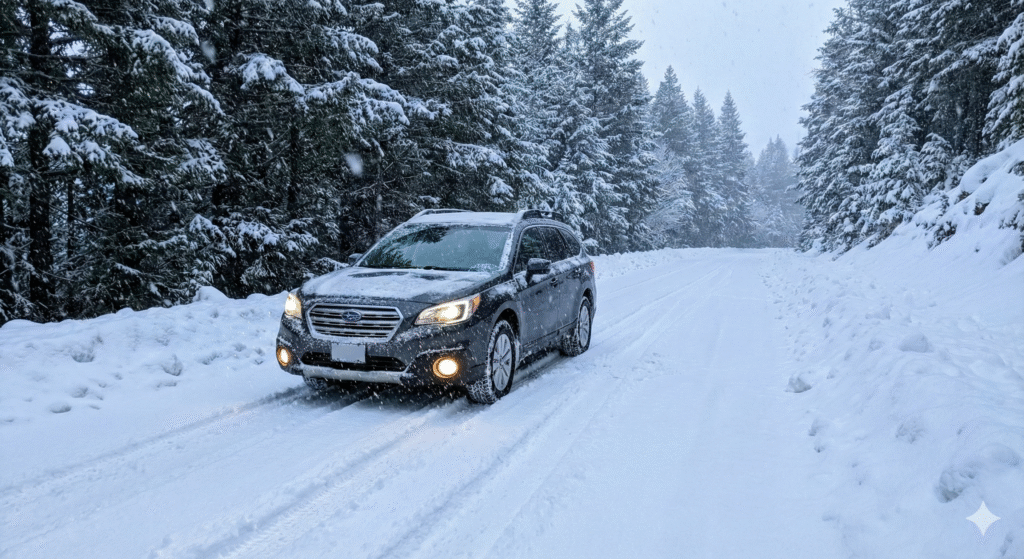
Late summer and early fall have specific hazards that many drivers underestimate. The sun sets earlier, creating more situations where glare or sudden darkness affects visibility. Fog becomes more common, particularly in early mornings or near bodies of water. Fallen leaves can make pavement slippery, acting almost like ice when wet.

Driving Adjustments for Late-Season Trips

  • Night driving: As days shorten, you’re more likely to end up on dark roads. Slow down, avoid high beams when other cars are present, and stay extra alert.
  • Foggy conditions: Use low-beam headlights, maintain a safe distance, and avoid sudden braking.
  • Wildlife crossings: Animals—especially deer—are more active during this season. On rural roads, scan the sides of the road frequently and reduce speed at night.
  • Temperature shifts: Cold nighttime temperatures can reduce tire pressure and affect handling. Check tires again if your car feels different in the morning.

Carrying a basic emergency kit is also smart. Items like a blanket, water bottle, jumper cables, portable phone charger, and flashlight are invaluable during unexpected delays.


Auto Insurance: A Reliable Companion on Every Road Trip

As enjoyable as late-season adventures are, peace of mind comes from knowing you’re protected if something goes wrong. That’s where strong insurance coverage becomes essential.

The right:

auto insurance

keeps you focused on enjoying the trip rather than worrying about accidents, breakdowns, or unexpected road hazards. Roadside assistance, in particular, can be incredibly reassuring—whether you need a tow, a temporary replacement vehicle, or help during an unexpected mechanical issue in a remote area.

For practical guides, you can explore the resources available on:

Bonjour Assurance

If you’d like to compare this improved version with the original reference article, here it is:

Original article

Ready to Start Your Next Journey With Confidence?

Get a Quote

More Details
Nov 1, 2025
Home Insurance Tips for Water Heater Safety

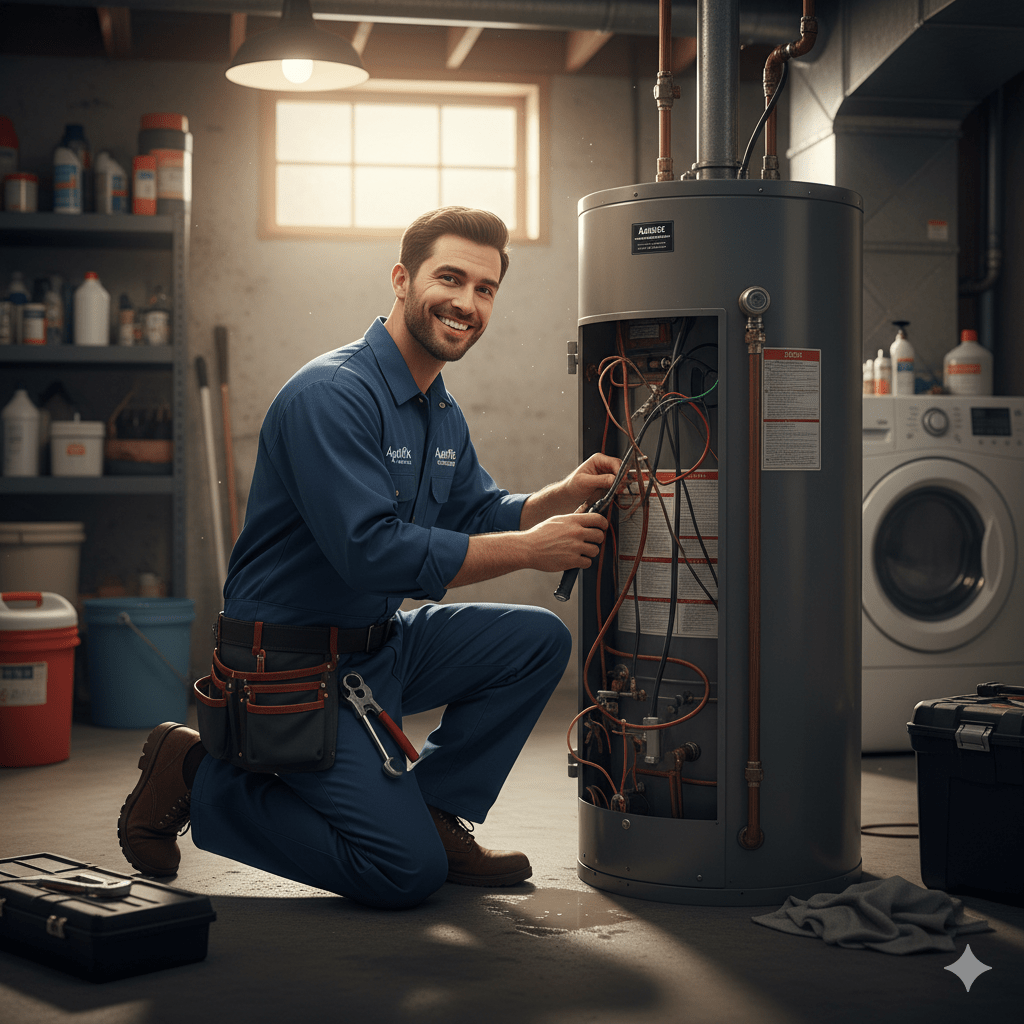
When it comes to protecting your home, few issues cause as much unexpected damage as a leaking water heater. A burst or faulty tank can lead to flooding, expensive repairs, and potential insurance claims. Here are four essential tips to help you maintain your water heater and keep your home insurance coverage strong.

1. Know the Age and Condition of Your Water Heater

Most water heaters have a lifespan of about 10 to 12 years. If yours is approaching that age, it’s important to start monitoring it closely for any signs of corrosion, rust, or leaks.
A good habit is to note the installation date — you’ll usually find it on the manufacturer’s label. If you’ve recently purchased a new home, ask your inspector about the tank’s age and condition.
👉 Replacing an older unit before it fails can save you thousands in potential water damage and claims.

2. Drain and Maintain the Tank Regularly

Over time, minerals and sediment build up inside your tank, reducing efficiency and increasing the risk of internal corrosion. Experts recommend draining your water heater once or twice a year.
This simple task helps extend the unit’s lifespan and maintain optimal performance. If you’re not comfortable doing it yourself, hire a licensed plumber to handle the maintenance safely.

water heater

3. Install a Leak Detector and Safety Valve

Smart water leak detectors are small devices that alert you instantly when a leak is detected. Some even connect to your smartphone, allowing you to act before damage spreads.
Also, make sure your pressure relief valve is functioning correctly. This valve prevents dangerous pressure buildup and is an essential safety feature on all modern water heaters.

4. Review Your Home Insurance Policy

Not all home insurance policies cover the same level of water damage. Some may exclude damage caused by gradual leaks or poor maintenance.
It’s a good idea to review your policy and confirm what’s covered. If you’re unsure, contact your insurer or speak with one of our advisors at Bonjour Assurance to make sure your plan provides full protection.
For a detailed overview of coverage options and how they relate to household risks, check out our Ultimate Insurance Guide.

Final Thoughts

Your water heater might not be something you think about often — until it causes a problem. Regular inspections, timely replacements, and the right insurance coverage can make all the difference in protecting your home.
For more information and personalized advice, visit Bonjour Assurance or read our Ultimate Insurance Guide.

Original reference: iA Financial Group – 4 Key Tips: Water Heaters and Home Insurance

More Details
Oct 25, 2025
Stop Basement Floods with a Backwater Valve

Flooding is one of the most common and expensive problems homeowners face—especially when it comes from the sewer system backing up into your basement. The good news? A simple device called a backwater valve can protect your home from that kind of disaster.

What Is a Backwater Valve

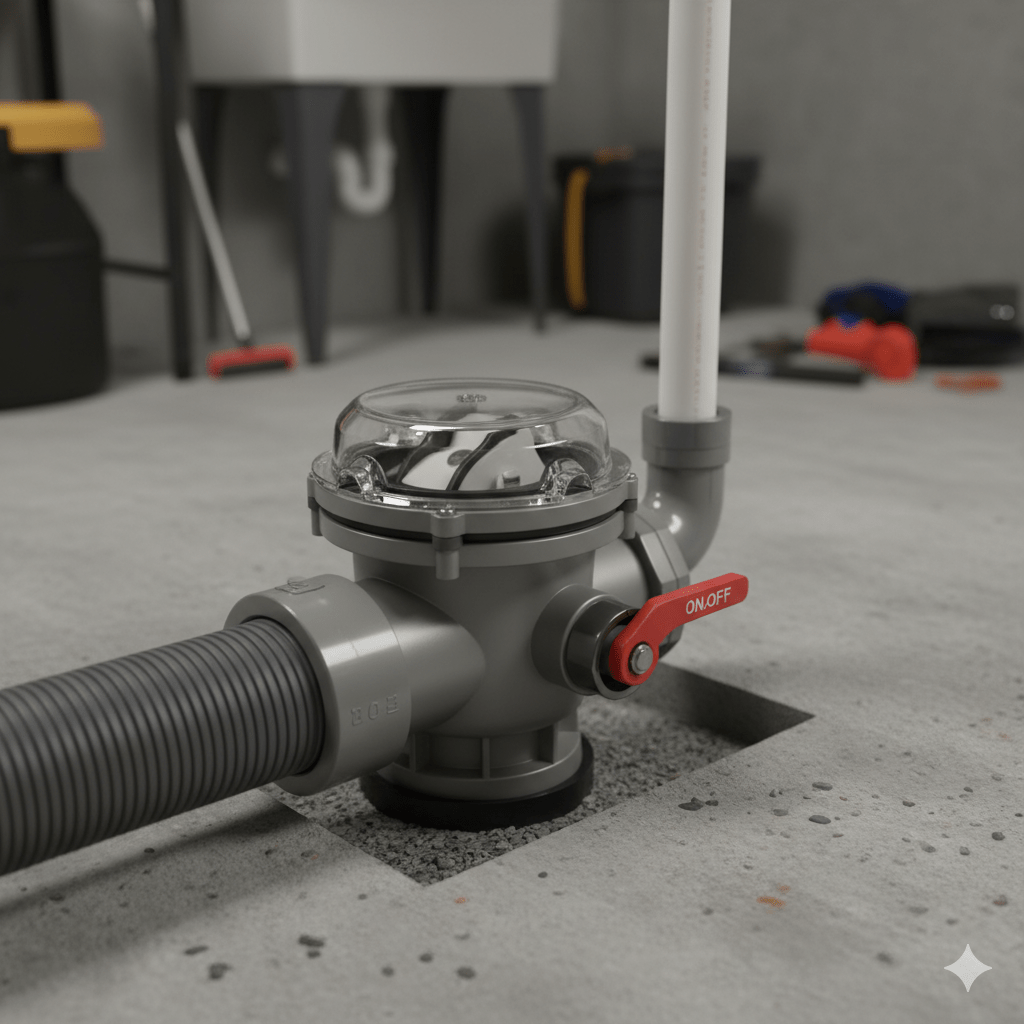
A backwater valve is a one-way gate installed on your home’s main sewer line. It allows wastewater to flow out of your home but automatically closes if water starts to flow backward from the municipal sewer system.

When installed properly, it acts as a strong defense barrier that prevents sewage from entering your basement during heavy rain or municipal drainage overloads.

👉 For detailed home insurance protection options, visit Bonjour Assurance’s Home Insurance page.

How Does It Work

Here’s the simple mechanism behind it:
When wastewater flows normally, the valve’s flap stays open. If the city’s sewer becomes overwhelmed and starts pushing water backward, the flap floats up and seals shut, blocking the backflow. Once the pressure subsides, it reopens automatically.

This process happens within seconds—protecting your basement before any water has a chance to enter.

Why Every Home Should Have One

Installing a backwater valve isn’t just for flood-prone areas. Even if your neighborhood rarely experiences flooding, extreme weather events can overwhelm sewers unexpectedly.

Without a valve, your basement is vulnerable to contaminated water, expensive repairs, and potential health risks.

💡 Insurance tip: Many insurance providers (including us at Bonjour Assurance) offer discounts or coverage benefits for homes equipped with a certified backwater valve. It shows you’ve taken preventive measures to protect your property.

How to Maintain Your Backwater Valve

Like any home system, your valve needs regular maintenance to stay reliable:

  • Inspect it at least once a year.
  • Remove debris or buildup that might block the flap.
  • Test its function after heavy rainfall.
  • If unsure, hire a licensed plumber for inspection or cleaning.

Some municipalities even offer rebates or installation programs for backwater valves — check with your local city office for available assistance.

Final Thoughts

A backwater valve might not seem like a big deal, but when a storm hits, it can save you thousands of dollars in cleanup costs and prevent days (or weeks) of disruption.

Whether you’re buying a new home or improving your current one, adding this small but powerful device is one of the smartest investments you can make.

🔗 Learn more about protecting your property with the right coverage at Bonjour Assurance.
📚 Original reference: iA Financial Group – Backwater Valve Advice

More Details
Oct 18, 2025
Six Practical Ways to Handle Postal Service Disruptions in Canada

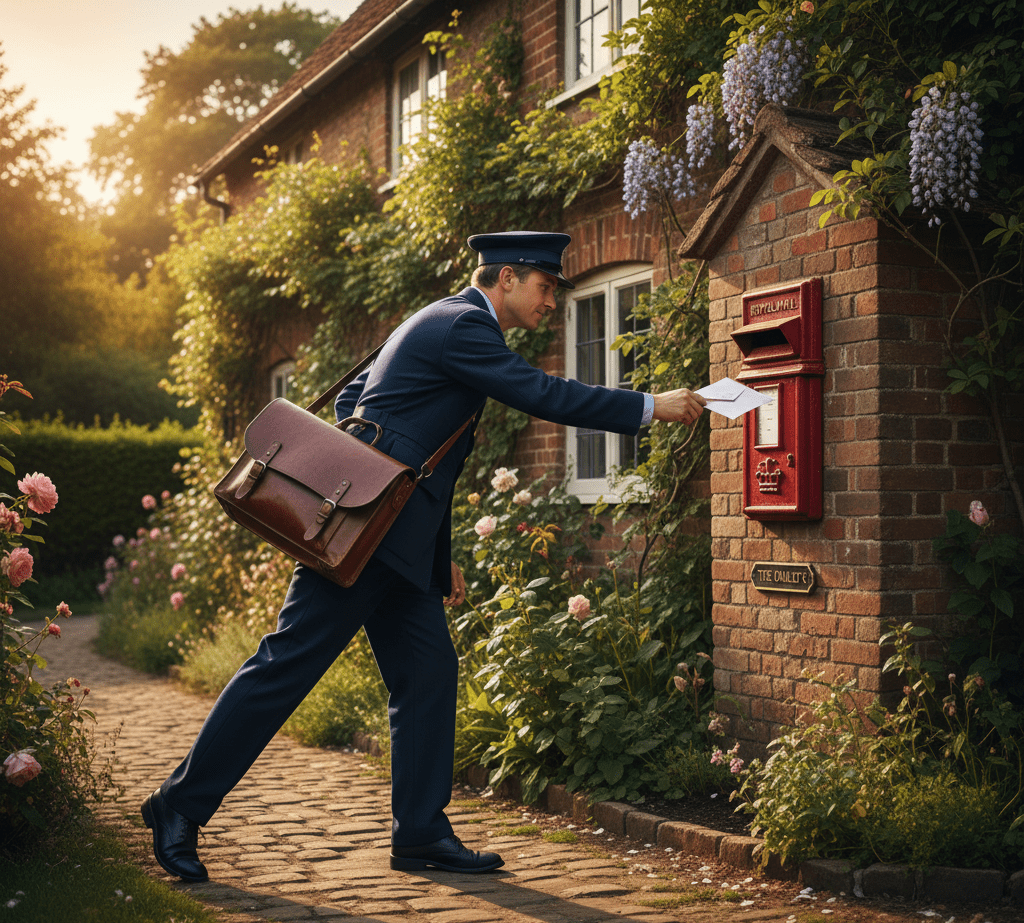
When Canada Post services are temporarily disrupted, many Canadians face challenges paying bills, receiving important documents, or managing insurance policies.
The good news is that there are simple ways to keep everything running smoothly — even when your regular mail slows down.

Here are six practical and stress-free ways to handle postal service disruptions in Canada.

1. Stay Informed About Canada Post Updates

The first step is to stay informed. Visit the official Canada Post Service Alerts page regularly or check local news for updates on delays or strikes.
Knowing what areas are affected helps you plan ahead — whether that means sending documents earlier or switching to digital delivery.

2. Switch to Online Billing and Payments

Instead of waiting for bills in the mail, choose online billing. Most service providers, from utilities to insurance companies, offer e-billing options.
Paying online ensures your payments are never late — even during a postal disruption.
If you’re managing home or car insurance, you can visit Bonjour Assurance’s Home & Car Insurance page to easily switch to online management.

3. Use Email and Digital Communication

Whenever possible, replace traditional letters with email or secure online messaging.
Most organizations, including banks and insurance providers, accept scanned documents and digital signatures.
This helps you save time and avoid unnecessary trips to the post office during service interruptions.

4. Protect Your Important Documents

If you still need to send or receive physical mail, use tracked or priority services to minimize the risk of losing important papers.
Keep digital copies of everything — from bills to insurance policies — in secure cloud storage.
This ensures that even if the mail is delayed, you’ll always have access to what matters most.

Postal Service Disruptions

5. Contact Your Service Providers Early

Don’t wait until it’s too late. If you’re expecting important correspondence, contact your providers ahead of time.
Banks, insurance companies, and government agencies often have alternative delivery methods or can extend deadlines during postal strikes.
Being proactive saves both time and stress.

6. Consider Digital Insurance Options

Many insurance companies now allow clients to manage everything online, from policy documents to claim submissions.
At Bonjour Assurance, for example, you can get quotes, compare plans, and securely upload documents — all without relying on physical mail.
Digital insurance solutions not only help during postal disruptions but also make your overall experience faster and easier.

Final Thoughts

Postal service disruptions can be inconvenient, but they don’t have to interrupt your daily life.
By switching to online options, keeping digital records, and staying informed, you can continue managing your finances and insurance with confidence.

For more helpful insurance advice and tips, visit Bonjour Assurance.

More Details
Oct 12, 2025
Home Insurance and Subletting – Everything You Need to Know Before Renting Out Your Place

Thinking of subletting your home while you’re away? Learn how subletting affects your home insurance, what risks are involved, and how to stay protected.

What Does Subletting Actually Mean

Subletting means renting out your home to another person (a subtenant) while you still hold the main lease. Unlike a lease transfer, you don’t give up your rights to the property, and you remain responsible for rent payments and potential damages.

Even if you’re not living in the unit, you’re still legally the tenant. That means:

  • You must ensure rent is paid on time.
  • You are responsible for any damages caused by the subtenant.
  • Your landlord must approve the sublet agreement.

There are generally two types of sublets — long-term and short-term, and each affects your home insurance differently.

Long-Term Subletting and Your Home Insurance

A long-term sublet means you plan to come back home later. While it can help you manage expenses while away, it also brings insurance considerations.

👉 Important: Your current home insurance doesn’t automatically cover your subtenant.
Home insurance policies apply only to the person named in the contract, not to everyone living there.

Here’s what you should do:

  • Inform your insurer about the sublet.
  • The insurance provider may reassess the risk level.
  • The subtenant must have their own tenant insurance policy.

In Quebec, you must also notify your landlord officially by submitting a sublease notice.

Home insurance

Short-Term Subletting (Airbnb, Vrbo, etc.)

Renting out your home through platforms like Airbnb or Vrbo is also considered subletting — even if it’s just for a few days.

Before listing your property:

  • Check local regulations — some cities restrict short-term rentals.
  • Know that most home insurance policies don’t cover rentals exceeding 30 days per year.
  • Continuous short-term rentals may be classified as a business activity, which standard insurance doesn’t cover.

Your insurer may require you to:

  • Add a short-term rental endorsement to your policy.
  • Get additional coverage for guest-related damages or liability if someone is injured during their stay.

Some platforms offer host protection, but it’s only a secondary coverage — not a substitute for your own home insurance.

Legal Responsibilities and Tenant Protection

The Tribunal administratif du logement closely monitors subletting and lease transfers.
Contrary to common belief, tenants can’t simply break a lease by giving three months’ notice — rules differ based on local laws.

Before subletting, consult your trusted insurance advisor to ensure you don’t end up dealing with an uninsured subtenant.

Need Advice About Home Insurance

At Bonjour Assurance, we help you make smart insurance choices.
Whether you plan to sublet or need new home coverage, our advisors can guide you through the process and ensure you’re protected.

👉 Get a Home Insurance Quote
👉 Learn More About Home Insurance

More Details