Apr 30, 2026
How to Protect Your Home from Natural Disasters: Practical Steps That Make a Difference
Extreme weather events are no longer rare occurrences. From floods and severe storms to wildfires, natural disasters are increasing in both frequency and intensity. For homeowners, this means a higher risk of property damage, unexpected repair costs, and long-term financial stress.
Preparing for these events is no longer something you can postpone. It’s a necessary step toward protecting not only your property but also your safety and peace of mind. While insurance coverage helps reduce the financial burden after a disaster, prevention is what truly minimizes damage in the first place.
👉 To strengthen your protection, check out our Home Insurance Coverage and Health Insurance Plans.
Understanding the Growing Risk of Natural Disasters
Climate Change Is Reshaping Risks
Climate change is one of the main drivers behind the rise in natural disasters. Weather patterns are shifting, and areas that were once considered low-risk are now experiencing extreme conditions. Heavy rainfall, for example, is overwhelming drainage systems and increasing the risk of flooding in residential areas.
More Frequent and Severe Events
Storms are becoming stronger, wildfire seasons are lasting longer, and extreme weather events are happening more often than ever before. This growing intensity leads to more significant damage, affecting homes, infrastructure, and vehicles.
Financial Impact on Homeowners
With increasing risks, insurance companies are adjusting their policies. This can mean higher premiums or stricter coverage requirements. Homeowners who take preventive measures are often better positioned to manage these changes and avoid costly claims.
👉 Learn how to stay financially prepared with our Financial Insurance Solutions.
The Most Common and Costly Disasters
Flood Damage
Flooding is one of the leading causes of property damage. Water can quickly seep into basements, walls, and foundations, leading to expensive repairs and potential health risks like mold.
Wind and Storm Damage
Strong winds can tear off roofs, break windows, and damage outdoor structures. Flying debris can further increase the risk of destruction.
Ice, Snow, and Hail
Winter storms and hail can damage roofs, vehicles, and exterior surfaces. Ice buildup can also create dangerous conditions for both homes and roads.
Wildfires
Wildfires are expanding into new areas, putting more homes at risk. Dry conditions and strong winds can cause fires to spread rapidly.
5 Practical Ways to Reduce Damage
1. Maintain Your Drainage System
Regularly cleaning your gutters and drains helps prevent water buildup. Blocked drainage systems can cause water to overflow and damage your roof, walls, and foundation.
2. Strengthen Doors and Windows
Your doors and windows are among the most vulnerable parts of your home. Make sure they are properly sealed and reinforced to withstand harsh weather conditions.
3. Secure Outdoor Belongings
Outdoor furniture, grills, and tools should be stored safely when bad weather is expected. Strong winds can turn these items into dangerous projectiles.
4. Build a Reliable Emergency Kit
An emergency kit should include essentials like water, non-perishable food, flashlights, batteries, and first aid supplies. Having these items ready can make a critical difference during an emergency.
5. Create a Protective Space Around Your Home
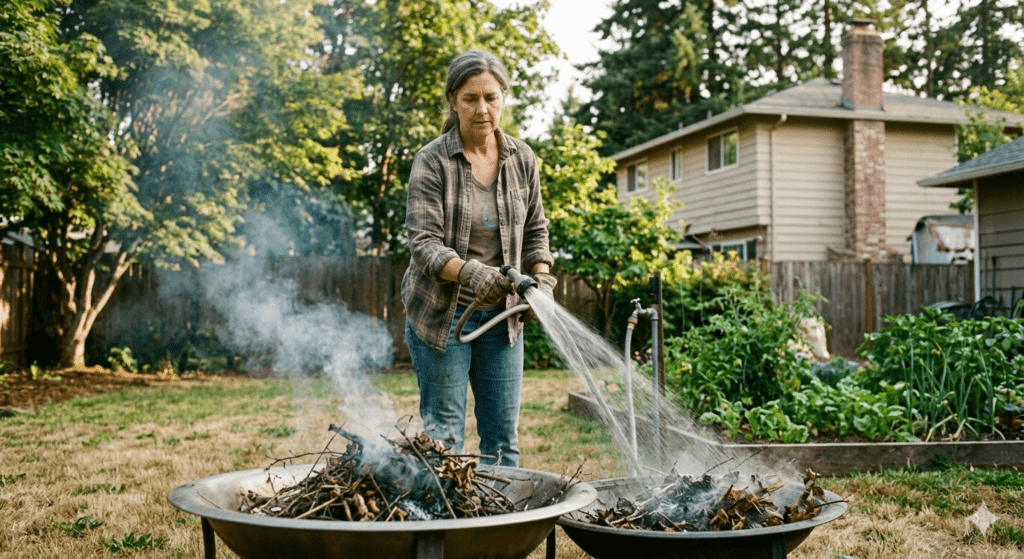
If you live in an area prone to wildfires, clear dry plants and debris around your property. This creates a buffer zone that can slow down or prevent the spread of fire.
Smart Ways to Protect Your Car
Choose Safe Parking
Whenever possible, park your car in a garage or under a shelter. This protects it from hail, falling branches, and debris.
Avoid Flood-Prone Areas
Parking in low-lying areas increases the risk of flood damage. Even a small amount of water can damage your vehicle’s engine and electrical systems.
Stay Updated on Weather Conditions
Before heading out, check the weather forecast. Planning ahead can help you avoid dangerous situations and reduce risks on the road.
Why Prevention and Insurance Go Hand in Hand
Preventive measures can significantly reduce the risk of damage, but they cannot eliminate it entirely. This is why having the right insurance coverage is essential. A comprehensive policy can help cover repair costs, temporary housing, and other unexpected expenses.
👉 Explore your options:
- Home Insurance for property protection
- Health Insurance for personal safety
- Auto Insurance for vehicle coverage
Final Thoughts
Natural disasters are unpredictable, but your level of preparedness doesn’t have to be. By taking simple, proactive steps, you can reduce potential damage and protect what matters most.
Preparation is about control—knowing that you’ve done everything possible to safeguard your home and your family.
🔥 Get the Protection You Need Today
Don’t leave your safety and finances to chance.
👉 Get a Quote Now and secure the right insurance coverage for your future.
More Details