Dec 20, 2025
Critical Illness Insurance: Secure Your Finances

Life is full of goals—buying a home, traveling the world, or starting a family. But a critical illness can disrupt your income and make achieving these goals difficult. Losing income due to a serious illness doesn’t just create financial stress; it can delay or derail your financial plans.

A diagnosis of a critical illness affects more than just physical health. It also carries emotional, family, and financial challenges. Treatment costs, recovery expenses, and a temporary loss of income can strain your budget and slow your progress toward your life objectives.


How Critical Illness Insurance Helps

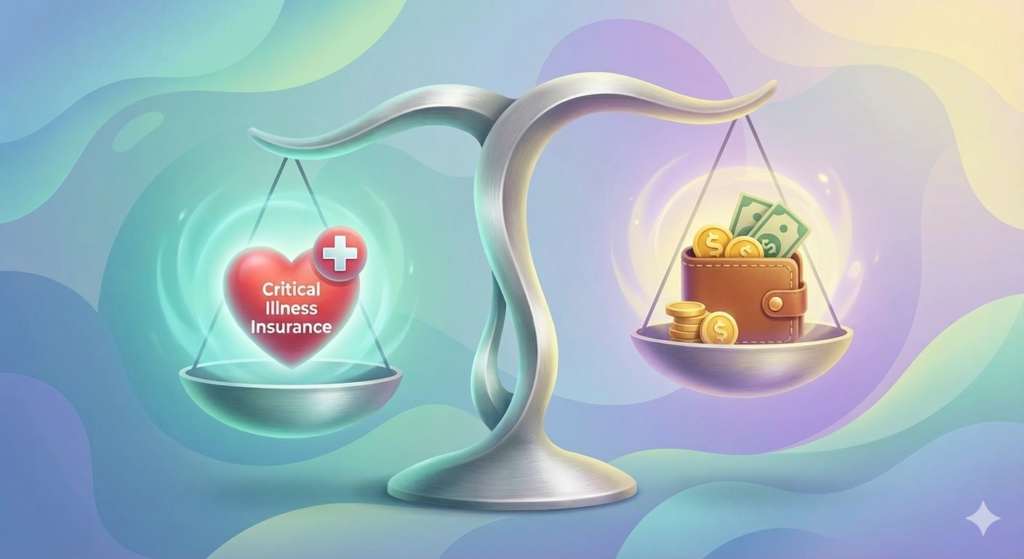
While no one can predict when illness will strike, you can prepare by taking out critical illness insurance. This coverage provides a lump sum payment upon diagnosis, allowing you to focus on recovery, maintain your lifestyle, and reduce financial stress.

Unlike medical insurance, critical illness coverage does not pay for medical bills directly. Instead, it gives you financial flexibility to cover day-to-day expenses, pay off debts, fund uncovered care, or continue personal projects. You can also use it for unexpected needs like medical equipment, transportation, or private consultations.


Financial Support During Tough Times

When a critical illness interrupts daily life, loss of income can become a serious problem. Mortgage payments, rent, loans, and bills don’t stop. A lump sum payment from critical illness insurance lets you maintain your standard of living without depleting your savings or going into debt.

This financial support can also significantly improve mental well-being. Knowing your financial obligations are covered reduces stress and allows you to focus on getting better.


Benefits of Critical Illness Insurance

  • Benefit payments are tax-free.
  • You can use the money however you wish—no explanations required.
  • Helps cover financial commitments if your income is reduced or lost.
  • Can fund home help for you and your family, such as meal prep, housekeeping, or tutoring.
  • Payment is made regardless of employment status and does not reduce disability benefits.
  • Covers additional illness-related expenses, including medication, adaptive equipment, experimental treatments, or rehabilitation.
  • Offers financial flexibility after recovery, allowing part-time work or extended sick leave.

Coverage Options to Fit Your Needs

Critical illness insurance comes in two main types:

  1. Comprehensive coverage for 25 critical illnesses
  2. Affordable coverage for the 4 most common illnesses

Coverage can be temporary (e.g., 10 or 20 years) or lifelong, and may vary based on age, medical history, and desired protection level. A financial advisor may recommend short-term basic coverage with the option to upgrade later.

Starting Young Brings Advantages

Purchasing coverage while young and healthy is smart: premiums are lower, the risk of exclusions is reduced, and coverage is in force long before any potential health issue arises.
Critical illness

Simple Application Process

Most applications are straightforward. Simply answer a few health questions, and you may be approved quickly—usually without medical exams, blood tests, or other diagnostics.


Factors Increasing the Need for Coverage

Critical illness can have greater financial impact if you:

  • Lack disability insurance
  • Live far from medical centers
  • Have dependent children
  • Face a high risk of income loss
  • Are self-employed without employer benefits
  • Are the primary earner for your family

Additional Benefits

Second Medical Opinion: Consult specialists for confirmation of diagnosis and treatment options.

Compassionate Care Benefit: Partial financial support even for non-life-threatening conditions, covering a portion of total coverage for select illnesses.


Coverage for Children

Insurance is also available for children starting at 15 days old. Coverage includes 5 additional childhood illnesses and provides financial flexibility to care for your child during serious illness. Early coverage guarantees future insurability.


Flexibility with Other Insurance

Critical illness insurance pairs well with term life insurance, disability coverage, or group benefits. While life insurance protects loved ones in case of death, critical illness insurance provides immediate financial support when you need it most, creating a comprehensive safety net.


Diagno$tic Tool

Use the Diagno$tic tool to understand your financial risk in the event of a critical illness. Just answer five simple questions for a personalized assessment to guide your decisions.

Ready to protect your finances? Get your personalized critical illness insurance quote today and see how easy it is to secure your future. Get a Quote

More Details
Sep 28, 2025
Understanding Health Insurance in Canada – A Complete Guide

Confused about health insurance in Canada? Learn everything you need to know about public and private plans, what they cover, and how to choose the right one.

Why Health Insurance Matters

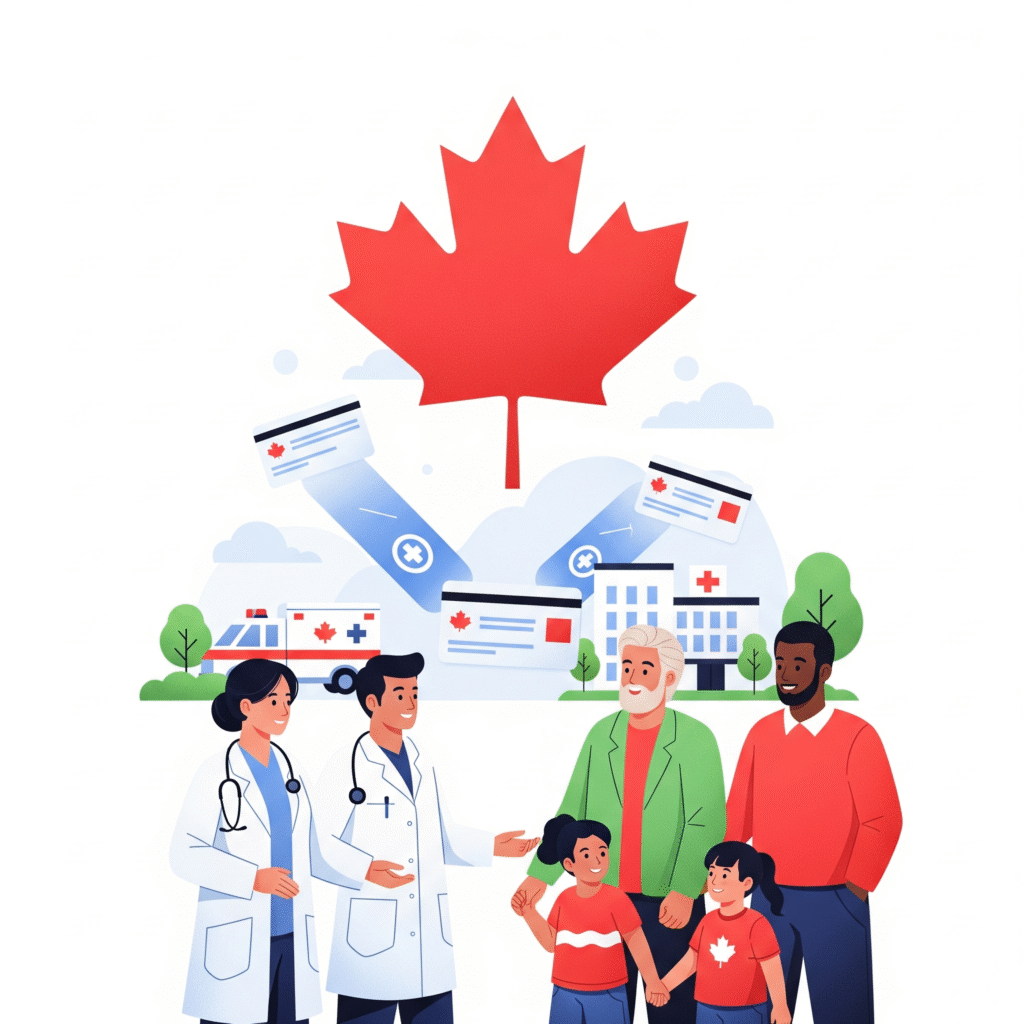
In Canada, while public healthcare covers many essential medical services, it doesn’t cover everything. Health insurance fills those gaps—especially for dental care, vision, prescription drugs, and private hospital rooms.

Without additional health insurance, you might face unexpected medical costs that aren’t covered by provincial health plans. Whether you’re self-employed, a new immigrant, or a full-time employee, having proper health coverage protects your finances and ensures access to timely care.

Types of Health Insurance in Canada

1. Public Health Insurance (Provincial Plans)

Each province or territory offers its own government-run health insurance, commonly called a “provincial health card.” For example:

  • Ontario offers OHIP (Ontario Health Insurance Plan)
  • British Columbia provides MSP (Medical Services Plan)
  • Alberta has AHCIP (Alberta Health Care Insurance Plan)

These plans typically cover:

  • Family doctor visits
  • Hospital stays
  • Emergency services
  • Medical tests and surgeries

However, they do not cover:

  • Prescription medications (outside hospitals)
  • Dental and vision care
  • Physiotherapy or chiropractic care
  • Mental health services (in some cases)

2. Private Health Insurance

Private plans are offered by insurance companies such as:

  • Manulife
  • Sun Life
  • Canada Life
  • Blue Cross

These plans can be:

  • Employer-sponsored: Common in full-time jobs, partially or fully paid by your employer
  • Individual plans: Ideal for freelancers, students, or those without employer benefits

They typically cover:

  • Prescription drugs
  • Dental care (cleanings, fillings, surgeries)
  • Vision care (glasses, contact lenses)
  • Mental health therapy
  • Travel insurance

Paramedical services (chiropractor, physio, massage)

read more >>

Who Should Consider Getting Private Health Insurance?

Private health insurance is especially useful for:

  • Self-employed individuals with no employer benefits
  • New immigrants or international students during their wait for provincial coverage
  • Families with children who need regular dental and vision checkups
  • Older adults or retirees requiring more medications or specialized treatments

Frequent travelers who need out-of-province or international medical coverage

health-insurance

How to Choose the Right Health Insurance Plan

Step 1 – Assess Your Needs

Ask yourself:

  • Do I take regular prescription medication?
  • Do I visit the dentist or optometrist regularly?
  • Do I have dependents with specific health needs?
  • Do I travel often?

Step 2 – Compare Plans

Use comparison tools or work with an insurance broker to evaluate:

  • Monthly premiums
  • Coverage limits and exclusions
  • Deductibles and co-payments
  • Network of providers
  • Claims process

Step 3 – Read the Fine Print

Always review:

  • Waiting periods for dental or vision
  • Maximum claim amounts per year
  • Pre-existing condition clauses
  • Renewability and cancellation terms

Health Insurance for Newcomers to Canada

Many newcomers aren’t eligible for public healthcare right away. Most provinces have a 3-month waiting period.

Private insurance is essential during this time. Some recommended plans for newcomers:

  • Blue Cross for newcomers
  • Manulife CoverMe Travel Insurance
  • Allianz Visitor-to-Canada insurance

Make sure to apply for your provincial card (e.g., OHIP, MSP) as soon as you become eligible.

Tips to Save Money on Health Insurance

  • Bundle policies (e.g., with life insurance)
  • Increase your deductible for a lower monthly premium
  • Use a Health Spending Account (HSA) if self-employed
  • Shop around annually for better deals
  • Use employer-sponsored benefits wisely

Common Health Insurance Myths

I live in Canada, so everything is free.”

False. Only core medical services are free. You still pay for drugs, dental, and more unless insured privately.

“Young, healthy people don’t need insurance.”

Even one emergency (e.g., wisdom tooth extraction or eye surgery) can cost hundreds to thousands of dollars.

Final Thoughts: Health Insurance = Peace of Mind

Health insurance in Canada is not just a “nice-to-have”—it’s a smart financial decision that protects you and your loved ones from unexpected medical bills.

If you’re unsure which type of insurance is right for you, visit our Ultimate Guide to Insurance in Canada for a full breakdown of every major insurance type.

More Details