Jan 2, 2026
Wood Heating: Safety, Insurance, and What Homeowners Should Know

When temperatures drop, wood heating becomes an appealing option for many Canadian homeowners. A wood stove or fireplace can create a warm, cozy atmosphere while helping reduce heating costs. But along with comfort comes responsibility. From fire risks to insurance implications, wood heating requires careful planning and informed decisions—especially when it comes to home insurance in Canada.

If you rely on wood heating—or are considering installing it—here’s what you need to know to stay safe, protect your home, and avoid insurance surprises.

Wood Heating and Fire Risk

Heating systems remain one of the leading causes of residential fires in Canada, and wood heating plays a significant role. Chimney fires, in particular, often result from improper use or lack of maintenance. Creosote buildup inside the chimney is a common culprit.

According to fire prevention data published by the Ministère de la Sécurité publique du Québec, heating systems are among the leading causes of residential fires:

Beyond fire hazards, wood heating also releases contaminants such as carbon monoxide (CO) and volatile organic compounds (VOCs). Installing a certified CO detector near sleeping areas and close to the heating system is essential to reduce health risks.

Choosing the Right Wood Heating System

Not all wood stoves or fireplaces are created equal. If you are buying a new system or moving into a home that already has one, professional verification is essential.

A certified expert should inspect both the stove and the chimney to ensure they meet safety standards. Improper installation significantly increases the risk of fire and may also cause issues with your insurance coverage.

Before installing a wood heating system, it’s also critical to check municipal bylaws. Some cities restrict or regulate wood-burning appliances due to environmental and safety concerns.

Simple Ways to Reduce Fire Risk

Wood heating can be safe if used responsibly. Only burn clean, dry, untreated wood. Painted or pressure-treated materials release toxic fumes and damage the chimney flue.

Annual chimney sweeping is strongly recommended to remove creosote buildup. Organizations like the Canada Safety Council emphasize that regular maintenance and proper fuel selection are key to reducing chimney fires. Inside the home, keep flammable objects away from fireplaces and stoves. Firewood should never be stacked next to heat sources, and smoke detectors should always be functional.

Inside the home, keep flammable objects away from fireplaces and stoves. Firewood should never be stacked next to heat sources, and smoke detectors should always be functional.

wood heating

Safe Firewood Storage Practices

Firewood should be stored outdoors, away from the house. Cover it to protect against rain and snow while allowing airflow for proper drying. Well-seasoned wood burns hotter, cleaner, and produces less creosote.

Only bring small quantities of wood indoors and store them far from fireplaces or stoves. Always follow municipal regulations regarding storage limits and locations.

Handling and Disposing of Hot Ashes

Ashes can remain hot for several days and are a frequent cause of accidental fires. Always place ashes in a metal container with a lid and store it outside on a non-combustible surface.

The container should be at least one meter away from buildings, fences, or vegetation. Never dispose of ashes until you are certain they have completely cooled.

How Wood Heating Affects Home Insurance

If your home has a wood stove or fireplace, you must inform your insurer. Wood heating is associated with a higher fire risk and can directly affect your fire damage insurance coverage.

Failing to disclose a wood heating system may result in reduced coverage or denied claims. Insurers often require proof of professional installation and regular maintenance.

In some cases, the presence of wood heating also influences pricing, as it is considered when determining how home insurance premiums are calculated.

Final Thoughts

Wood heating can be efficient and comforting, but only when safety and insurance considerations are taken seriously. Responsible use, proper maintenance, and transparency with your insurer allow you to enjoy the warmth without unnecessary risk.

If you’re unsure how wood heating affects your coverage, reviewing your policy or requesting a personalized quote can help ensure your home is fully protected before winter begins.

More Details
Dec 6, 2025
Holiday Season Safety Tips for a Safe and Peaceful Celebration

The holiday season brings joy, warmth, and the perfect opportunity to gather with loved ones. Yet, it also introduces seasonal risks that can compromise your home’s safety if left unaddressed. From theft prevention to fire safety and winter travel considerations, taking a few precautions can significantly reduce potential hazards. This guide expands on key recommendations to help you protect your home and enjoy a truly stress-free festive season.

For year-round protection and coverage options, visit our Home Insurance page at
https://bonjourassurance.com/home-insurance/


1. Prevent Theft Through Smart, Subtle Choices

Unfortunately, the holiday season is a prime time for theft. Shopping bags in cars, delivered packages, and social media posts about travel plans can all signal opportunity to thieves.

When shopping in person, store purchased items in the trunk, ensuring they are not visible through the windows. Thieves often scan parking lots for easily accessible items, especially during December.

If you shop online, remember that packages left unattended on porches can be stolen within seconds. Arrange delivery times, use pickup points, or request in-building drop-offs when possible.

If you are travelling, avoid posting your plans publicly until you return home. Announcing your absence unintentionally signals that your home is unoccupied.

To strengthen your protection year-round, explore additional theft-prevention guidance through our Home Insurance resources:
https://bonjourassurance.com/home-insurance/


2. Keep Your Christmas Tree Safe and Reduce Fire Risks

Holiday décor creates a warm, festive atmosphere, but it can also introduce fire hazards. Artificial trees are generally safer, but natural trees can be used safely with proper care.

Position your tree away from fireplaces, candles, radiators, and high-traffic passages. Natural trees dry out quickly, so ensure the stand has a water reservoir and refill it daily. Dry branches ignite easily, especially when using older non-LED light sets.

Never burn Christmas tree branches in your fireplace. Needles burn intensely and can cause sudden flare-ups. Local municipalities usually have clear rules for tree disposal—follow these guidelines for safe removal.

For more seasonal home-safety advice, visit:
https://bonjourassurance.com/home-insurance/

Holiday

3. Use Holiday Lights Safely—Indoors and Outdoors

Holiday lights create a cozy and festive environment, but electrical issues are a major cause of seasonal fires. A few simple steps dramatically reduce risks.

Always choose lights certified by safety organizations such as CSA

Ensure that each string of lights and extension cord is designed for its intended setting—indoor lights should never be used outdoors. Before installation, inspect wires carefully and replace any with damaged insulation.

Turn lights off before leaving home or going to bed. Avoid placing cords under carpets where they can overheat or be damaged. Also, prevent overloading power outlets or extension strips.

For long-term home protection, explore our insurance guidance at:
https://bonjourassurance.com/home-insurance/


4. Plan Ahead Before Winter Driving

If you’re heading to gatherings, dinners, or trips during the holidays, winter driving safety is critical. Weather conditions can change quickly, and preparing in advance helps prevent accidents.

Check weather updates before leaving and adapt your driving to conditions such as snow, ice, or reduced visibility. Always clear all snow from your vehicle—including roof, lights, and mirrors—to ensure your safety and the safety of other drivers.

If leaving home for several days, take steps to make your home appear occupied:
• Leave a light on a timer
• Have someone shovel your walkway
• Ask a neighbour to collect your mail
• Shut off your water supply to avoid frozen or burst pipes

Learn more about protecting your home from winter risks here:
https://bonjourassurance.com/home-insurance/


5. Host Guests Safely and Minimize Household Risks

Gathering with family and friends is one of the best parts of the season, but a busy home increases the risk of slips and fire hazards.

Before guests arrive, clear snow and ice from sidewalks, steps, and all exterior entrances. This prevents falls and ensures safe access.

In the kitchen, distractions are common. Follow these safety steps:
• Never leave cooking unattended
• Use timers to keep track of meals
• Choose electric deep fryers over stovetop oil pots
• Handle fondue burners carefully and avoid refilling when hot

Also, ensure that guests who have consumed alcohol do not drive. Offer rides, call a taxi, or encourage overnight stays.

For full home-protection insights, visit:
https://bonjourassurance.com/home-insurance/

More Details
Nov 29, 2025
Home Insurance and Pet Damage: What Owners Need to Know

Pets turn a house into a home, but they also introduce responsibilities—and potential financial risks—that many owners underestimate until something goes wrong. Whether it’s a dog knocking down a visitor, a cat damaging a neighbour’s property or a pet causing an unexpected injury, the consequences can be significant. Understanding how home insurance pet damage coverage works allows you to protect both your finances and your peace of mind.
If you’re unfamiliar with how home insurance works in general, review the basics here: What Is Home Insurance?


Pet owners’ responsibilities

In Canada, owning a pet is not just an emotional commitment—it carries legal duties. You are expected to control your pet at all times, whether inside your home, in your yard or in public spaces. Courts often rule that an owner is responsible for preventable incidents, even if the pet has no history of aggression. Proper training, safe handling, and awareness of your pet’s behaviour are essential.

If you’re unfamiliar with how liability works more broadly, read:
Understanding Liability Coverage

These responsibilities matter because insurers consider them when assessing your level of risk. A well-supervised, properly trained animal is less likely to cause an incident—and less likely to lead to a claim.


Informing your insurer

Insurance providers rely on full disclosure to evaluate risk accurately. When you buy or update a home insurance policy, you must tell your insurer if you have a pet. Some dog breeds, exotic pets or animals with a history of aggression may trigger stricter underwriting or even partial exclusions.

Failing to disclose this information can result in denied claims. For clarity on disclosure rules, check:
Insurance Disclosure Requirements

Even if your pet seems harmless, inform your provider. A simple oversight today could become a costly problem later.


Taking reasonable precautions

Even well-behaved pets can behave unpredictably when frightened or overstimulated. Reasonable precautions include:

• Obedience training
• Using a leash in public
• Preventing unsupervised encounters
• Ensuring visitors are aware of your pet
• Securing your yard or balcony

These precautions show your insurer that you take safety seriously. They also reduce the chances of an incident that could lead to medical bills or legal action.

External guideline:
American Veterinary Medical Association – Dog Bite Prevention
https://www.avma.org/resources-tools/avma-policies/dog-bite-prevention


How home insurance covers pet damage

Most home insurance policies include personal liability coverage, which protects you financially if your pet injures someone or damages their property. For example:

• Your dog knocks down a delivery driver and they suffer an injury
• Your cat damages a neighbour’s expensive rug
• Your pet causes an accident while off-leash in a public area

In these cases, liability coverage may pay for medical fees, property repairs, legal representation and settlements.

For a general overview of home insurance categories, visit:
Home Insurance in Canada – Full Guide

pet damage

Civil liability: injury and property damage

Liability coverage applies in two main areas:

Bodily injury: This includes bites, scratches, falls or any injury caused by your pet’s behaviour. Even a “friendly” dog can accidentally cause harm.
Property damage: This refers to damage your pet causes to someone else’s belongings or home.

Canadian consumer guidelines:
Government of Canada – Insurance Resources
https://www.canada.ca/en/financial-consumer-agency/services/insurance.html

Liability claims can easily exceed several thousand dollars, especially in medical cases. That’s why understanding your coverage limits is crucial.


Damage to your own belongings

One of the biggest misconceptions among pet owners is that home insurance will pay for damage caused by their own pets inside the home. Unfortunately, these incidents—scratched floors, chewed doors, torn furniture, damaged blinds—are usually not covered. Insurers consider them preventable events resulting from daily pet ownership.

The rule of thumb:
Insurance protects you from financial harm caused to others, not damage you can prevent at home.


Exclusions and deductibles

Policies vary, but certain exclusions are common. Some insurers limit coverage for specific breeds or animals with documented behavioural issues. Exotics—such as snakes, large birds or certain reptiles—may also fall outside standard coverage.

Deductibles also apply to liability claims. Knowing your deductible amount ensures you’re prepared for any out-of-pocket costs.

More on deductibles here:
Home Insurance Deductibles Explained


Legal requirements: registration and compliance

Many municipalities require pet registration, vaccinations and adherence to bylaws. Failure to comply—such as owning an unlicensed dog—can affect your insurance outcome. Some insurers may reduce or deny coverage following an incident involving an unregistered animal.

Maintaining documentation is simple but important: keep vaccination records, registration papers and behavioral reports up to date.


Filing a claim after a pet-related incident

If an incident occurs:

  1. Report it to your insurer immediately
  2. Document the situation thoroughly
  3. Provide photos, witness statements and medical or repair bills
  4. Avoid admitting fault before speaking with your insurer

More details here:
How to File an Insurance Claim

Quick reporting protects your financial liability and speeds up processing.


When to contact an insurance advisor

If you’re unsure whether your current policy covers your specific pet—or if you’re considering adding additional liability protection—speaking with an advisor ensures clarity.
You can reach a licensed expert here:
Contact an Insurance Expert

More Details
Nov 24, 2025
Driving a Car That Isn’t Yours: What You Need to Know About Car Insurance

Borrowing a friend’s or family member’s vehicle may seem simple, but from an insurance perspective, it comes with specific rules that every driver should understand. Whether it’s an occasional favour or a regular arrangement, knowing how coverage applies helps you avoid unexpected expenses and protects both the vehicle owner and yourself. This Car Insurance Coverage Guide will help you navigate these aspects.

This Car Insurance Coverage Guide explains how car insurance responds when you drive a vehicle that isn’t yours—based on key industry principles and real insurer practices.


Insurance Follows the Vehicle—Not the Driver

The most fundamental rule in car insurance is that coverage applies primarily to the **insured vehicle**, including the individuals who are permitted to drive it.

If you borrow your neighbour’s car and an accident occurs, the insurance company evaluates the situation based on **the owner’s policy**, not yours. Their liability limits, optional coverages, and deductibles determine how the claim unfolds.

This means that even if you personally carry excellent coverage on your own car, those protections won’t automatically extend unless your policy contains a specific endorsement.

For readers in Canada looking to review or purchase auto insurance, see our dedicated page: Car Insurance – Bonjour Assurance


When You’re Not at Fault

If another driver is responsible for the collision, the vehicle owner is usually compensated for damages regardless of their insurance level.

Even a basic third-party liability policy — often called one-way coverage — is usually enough when the insured vehicle is *not* at fault. The insurer of the responsible party pays for the repair costs.

You, as the driver, will still have the accident recorded in your claims history, since you were operating the vehicle at the time, but your neighbour’s insurance handles the repair.


When You Are Found Responsible

If you caused the accident, the owner’s insurance must include two-way coverage (also known as collision and comprehensive) for their vehicle to be repaired.

If they only have basic liability coverage, their insurer will not cover their own vehicle’s damage.

In this situation, your own auto policy may come into play, but only if you have the Q.E.F. 27 endorsement, which extends coverage to borrowed or rented vehicles.

You can learn about optional coverage and endorsements on our resource page:

Understanding Auto Insurance in Canada


Occasional Use: When an Extra Driver Isn’t Necessary

Borrowing a relative’s or friend’s vehicle a few times a year generally doesn’t require an added endorsement or a formal declaration. Most insurers recognize “occasional use” as being covered under the original policy, as long as the driver has the owner’s permission and a valid licence.

However, if you borrow the vehicle frequently—such as weekly or monthly—insurance companies may require you to be listed explicitly as an occasional driver. This helps avoid disputes and ensures the insurer has an accurate risk profile.

Car Insurance Coverage Guide

Accident Records Affect Both the Driver and the Owner

This is an important detail many people overlook:

When a claim is filed because of an accident involving a borrowed vehicle, the incident appears in both claims histories:

• The driver’s file

• The vehicle owner’s file

This can influence future premiums for both parties. Your driving behavior directly affects your friend’s insurance record. Transparency and communication are essential to avoid unintended consequences.


Before Borrowing a Car, Have a Clear Conversation

Before taking the keys to someone else’s vehicle, discuss their insurance coverage and set expectations. Make sure both of you understand:

• What type of coverage the owner has

• Who pays the deductible in case of an accident

• Whether you have extension coverage such as Q.E.F. 27

• How often you plan to use the vehicle

These simple conversations can prevent tension and financial surprises. A damaged bumper is repairable—damaged friendships are harder to fix.

If you are evaluating car insurance options or want to ensure you have proper protection before driving another person’s vehicle, visit our main page:

Bonjour Assurance – Auto Insurance


Final Thoughts

Driving a borrowed vehicle is common, but understanding the insurance rules behind it is essential. Coverage follows the vehicle, not the driver. Fault determines who pays for damage. Claims affect both parties. And clear communication prevents misunderstandings.

Whether you’re the one handing over the keys or the one borrowing them, proper knowledge ensures that everyone is protected on the road.

see reference : IA Advice-Zone

More Details
Nov 15, 2025
Road Safety Tips for Late-Season Adventures: A Practical Guide for Autumn Trips

There’s something meaningful about the final weeks of summer—those days when the air cools just enough to feel refreshing, yet the sun still carries a warm glow. It’s a period full of quiet charm, making it ideal for a spontaneous escape. Many people feel an instinctive pull toward the road during this time: the mix of fading summer energy and the promise of early autumn creates the perfect atmosphere for one more adventure before the colder months arrive.

Whether you’re heading toward a lakeside cabin, exploring winding rural roads, or simply driving without a fixed destination, late-season travel has a character of its own. But with the shift in weather and daylight, it also requires more awareness. A relaxed road trip only stays enjoyable when your vehicle is ready and your driving habits adapt to the season’s changing conditions.


Why Late Summer and Early Fall Are Ideal for Road Trips

The period between late August and early October offers unique driving advantages. Roads are generally quieter compared to the height of summer travel. Families are settling into school routines, tourists have largely returned home, and highways feel noticeably calmer. The weather also remains pleasantly mild. Days are warm without being overly hot, while evenings bring a crispness that makes long drives comfortable.

Another benefit is the scenery. Early autumn colors—light orange, soft red, and golden yellow—begin appearing along many routes. Even a simple drive to a nearby town becomes a scenic experience. Newcomers exploring places like Quebec often find this time perfect for discovering nature, photographing landscapes, and visiting local viewpoints without the crowds typical of midsummer.


Preparing Your Vehicle for a Late-Season Adventure

Even if your trip is spontaneous, your car shouldn’t be. A few quick checks can significantly reduce the chances of unexpected issues on the road.

Essential Vehicle Checks Before You Leave

  • Tires: Tire pressure naturally fluctuates with temperature changes. Make sure the pressure matches the recommended levels, and check the tread for safe grip—especially if the roads might be wet.
  • Brakes: As the season transitions, braking distances can change. A quick inspection ensures everything is functioning properly.
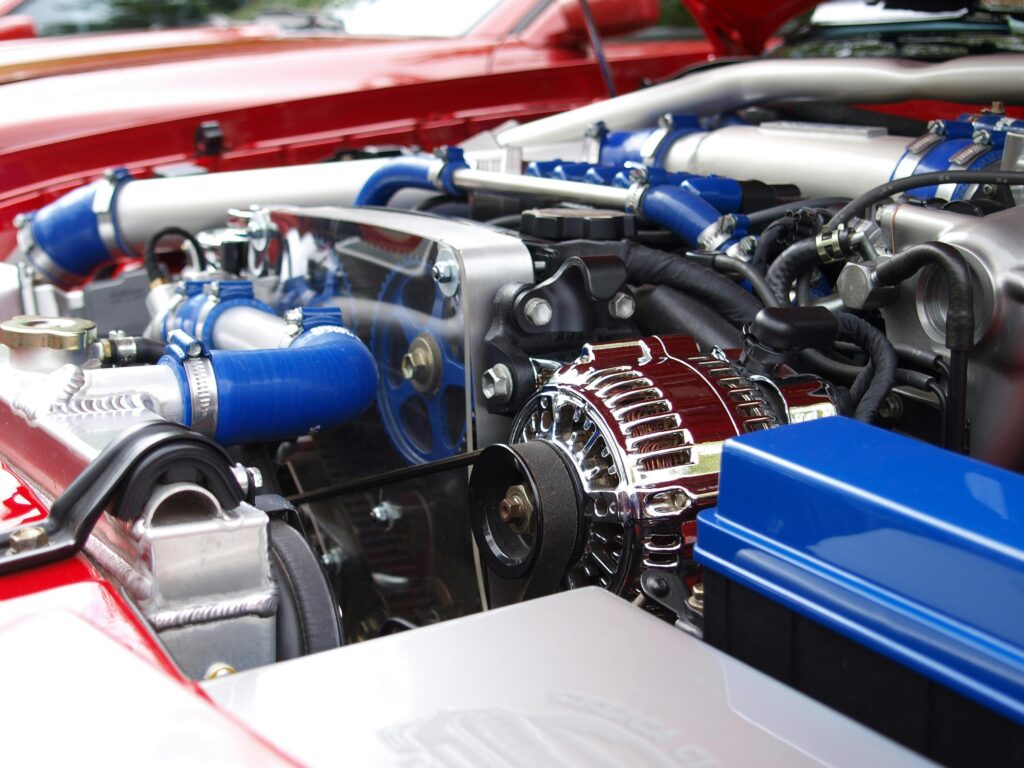
  • Fluids: Oil, coolant, brake fluid, and windshield washer fluid should all be topped up. Clear visibility and well-cooled engines are essential for long drives.
  • Battery: Cooler nights can strain weaker batteries. If yours is a few years old, test it before heading out.
  • Wipers and lights: Shorter days mean you’ll rely more heavily on your headlights and wipers. Replace worn-out blades and check that all lights—especially brake lights—are working.

Spending ten minutes checking these items can save hours of frustration later.

Road Safety Tips

Safety First: Seasonal Road Conditions to Expect

Late summer and early fall have specific hazards that many drivers underestimate. The sun sets earlier, creating more situations where glare or sudden darkness affects visibility. Fog becomes more common, particularly in early mornings or near bodies of water. Fallen leaves can make pavement slippery, acting almost like ice when wet.

Driving Adjustments for Late-Season Trips

  • Night driving: As days shorten, you’re more likely to end up on dark roads. Slow down, avoid high beams when other cars are present, and stay extra alert.
  • Foggy conditions: Use low-beam headlights, maintain a safe distance, and avoid sudden braking.
  • Wildlife crossings: Animals—especially deer—are more active during this season. On rural roads, scan the sides of the road frequently and reduce speed at night.
  • Temperature shifts: Cold nighttime temperatures can reduce tire pressure and affect handling. Check tires again if your car feels different in the morning.

Carrying a basic emergency kit is also smart. Items like a blanket, water bottle, jumper cables, portable phone charger, and flashlight are invaluable during unexpected delays.


Auto Insurance: A Reliable Companion on Every Road Trip

As enjoyable as late-season adventures are, peace of mind comes from knowing you’re protected if something goes wrong. That’s where strong insurance coverage becomes essential.

The right:

auto insurance

keeps you focused on enjoying the trip rather than worrying about accidents, breakdowns, or unexpected road hazards. Roadside assistance, in particular, can be incredibly reassuring—whether you need a tow, a temporary replacement vehicle, or help during an unexpected mechanical issue in a remote area.

For practical guides, you can explore the resources available on:

Bonjour Assurance

If you’d like to compare this improved version with the original reference article, here it is:

Original article

Ready to Start Your Next Journey With Confidence?

Get a Quote

More Details
Nov 1, 2025
Home Insurance Tips for Water Heater Safety

When it comes to protecting your home, few issues cause as much unexpected damage as a leaking water heater. A burst or faulty tank can lead to flooding, expensive repairs, and potential insurance claims. Here are four essential tips to help you maintain your water heater and keep your home insurance coverage strong.

1. Know the Age and Condition of Your Water Heater

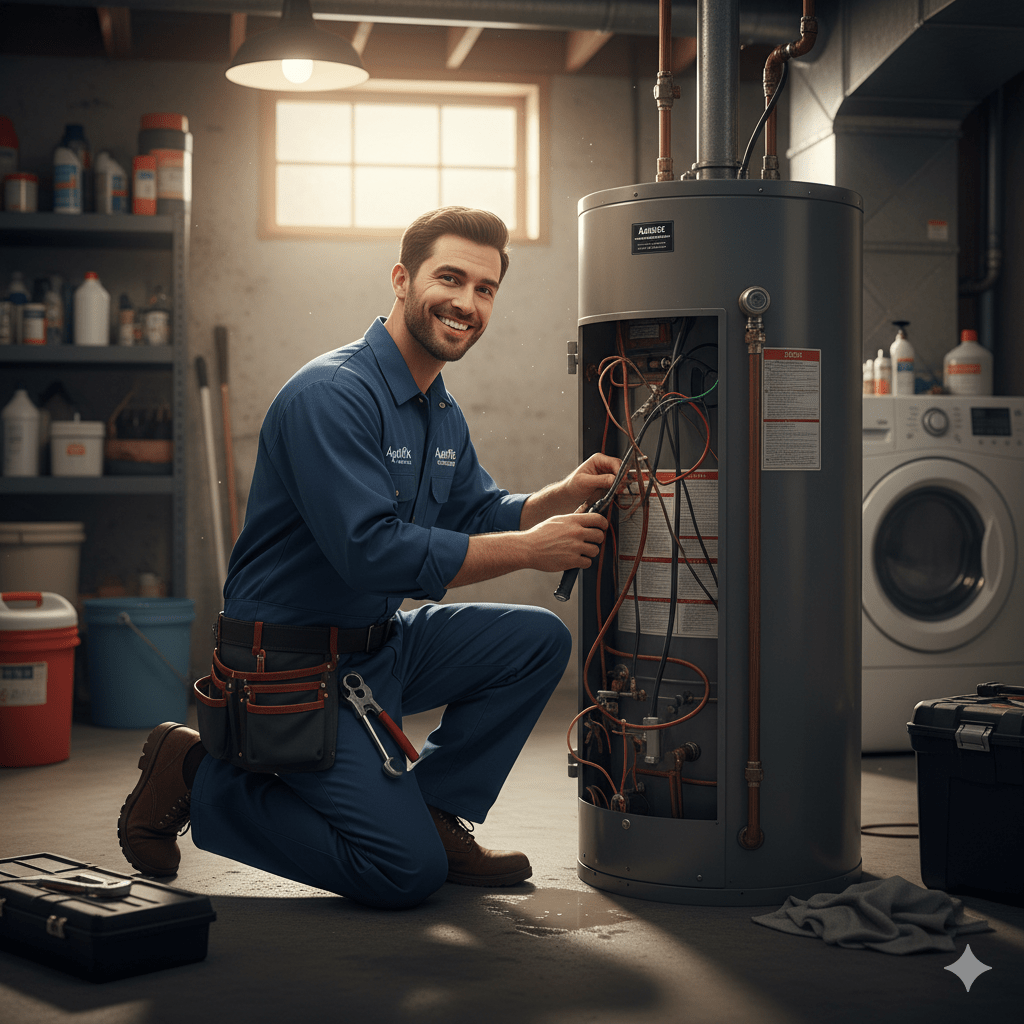
Most water heaters have a lifespan of about 10 to 12 years. If yours is approaching that age, it’s important to start monitoring it closely for any signs of corrosion, rust, or leaks.
A good habit is to note the installation date — you’ll usually find it on the manufacturer’s label. If you’ve recently purchased a new home, ask your inspector about the tank’s age and condition.
👉 Replacing an older unit before it fails can save you thousands in potential water damage and claims.

2. Drain and Maintain the Tank Regularly

Over time, minerals and sediment build up inside your tank, reducing efficiency and increasing the risk of internal corrosion. Experts recommend draining your water heater once or twice a year.
This simple task helps extend the unit’s lifespan and maintain optimal performance. If you’re not comfortable doing it yourself, hire a licensed plumber to handle the maintenance safely.

water heater

3. Install a Leak Detector and Safety Valve

Smart water leak detectors are small devices that alert you instantly when a leak is detected. Some even connect to your smartphone, allowing you to act before damage spreads.
Also, make sure your pressure relief valve is functioning correctly. This valve prevents dangerous pressure buildup and is an essential safety feature on all modern water heaters.

4. Review Your Home Insurance Policy

Not all home insurance policies cover the same level of water damage. Some may exclude damage caused by gradual leaks or poor maintenance.
It’s a good idea to review your policy and confirm what’s covered. If you’re unsure, contact your insurer or speak with one of our advisors at Bonjour Assurance to make sure your plan provides full protection.
For a detailed overview of coverage options and how they relate to household risks, check out our Ultimate Insurance Guide.

Final Thoughts

Your water heater might not be something you think about often — until it causes a problem. Regular inspections, timely replacements, and the right insurance coverage can make all the difference in protecting your home.
For more information and personalized advice, visit Bonjour Assurance or read our Ultimate Insurance Guide.

Original reference: iA Financial Group – 4 Key Tips: Water Heaters and Home Insurance

More Details
Oct 25, 2025
Stop Basement Floods with a Backwater Valve

Flooding is one of the most common and expensive problems homeowners face—especially when it comes from the sewer system backing up into your basement. The good news? A simple device called a backwater valve can protect your home from that kind of disaster.

What Is a Backwater Valve

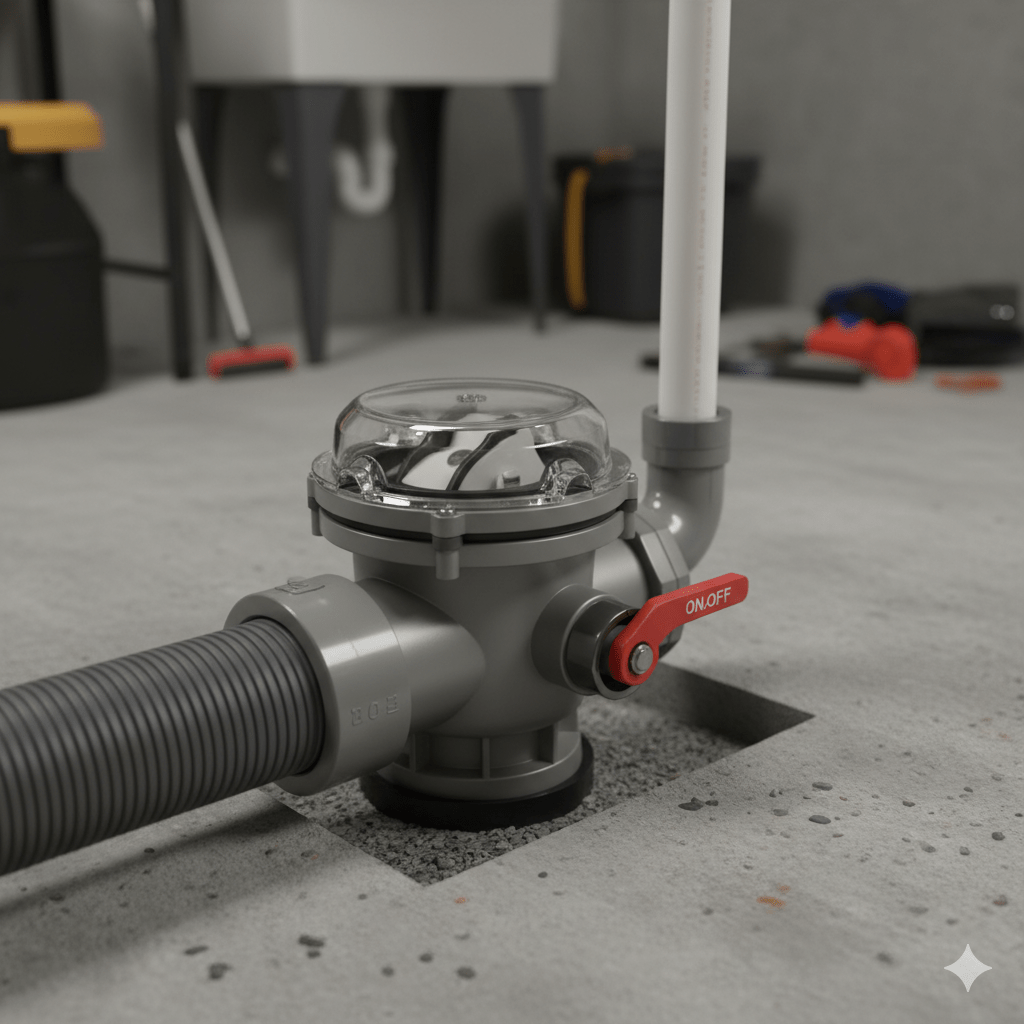
A backwater valve is a one-way gate installed on your home’s main sewer line. It allows wastewater to flow out of your home but automatically closes if water starts to flow backward from the municipal sewer system.

When installed properly, it acts as a strong defense barrier that prevents sewage from entering your basement during heavy rain or municipal drainage overloads.

👉 For detailed home insurance protection options, visit Bonjour Assurance’s Home Insurance page.

How Does It Work

Here’s the simple mechanism behind it:
When wastewater flows normally, the valve’s flap stays open. If the city’s sewer becomes overwhelmed and starts pushing water backward, the flap floats up and seals shut, blocking the backflow. Once the pressure subsides, it reopens automatically.

This process happens within seconds—protecting your basement before any water has a chance to enter.

Why Every Home Should Have One

Installing a backwater valve isn’t just for flood-prone areas. Even if your neighborhood rarely experiences flooding, extreme weather events can overwhelm sewers unexpectedly.

Without a valve, your basement is vulnerable to contaminated water, expensive repairs, and potential health risks.

💡 Insurance tip: Many insurance providers (including us at Bonjour Assurance) offer discounts or coverage benefits for homes equipped with a certified backwater valve. It shows you’ve taken preventive measures to protect your property.

How to Maintain Your Backwater Valve

Like any home system, your valve needs regular maintenance to stay reliable:

  • Inspect it at least once a year.
  • Remove debris or buildup that might block the flap.
  • Test its function after heavy rainfall.
  • If unsure, hire a licensed plumber for inspection or cleaning.

Some municipalities even offer rebates or installation programs for backwater valves — check with your local city office for available assistance.

Final Thoughts

A backwater valve might not seem like a big deal, but when a storm hits, it can save you thousands of dollars in cleanup costs and prevent days (or weeks) of disruption.

Whether you’re buying a new home or improving your current one, adding this small but powerful device is one of the smartest investments you can make.

🔗 Learn more about protecting your property with the right coverage at Bonjour Assurance.
📚 Original reference: iA Financial Group – Backwater Valve Advice

More Details
Oct 18, 2025
Six Practical Ways to Handle Postal Service Disruptions in Canada

When Canada Post services are temporarily disrupted, many Canadians face challenges paying bills, receiving important documents, or managing insurance policies.
The good news is that there are simple ways to keep everything running smoothly — even when your regular mail slows down.

Here are six practical and stress-free ways to handle postal service disruptions in Canada.

1. Stay Informed About Canada Post Updates

The first step is to stay informed. Visit the official Canada Post Service Alerts page regularly or check local news for updates on delays or strikes.
Knowing what areas are affected helps you plan ahead — whether that means sending documents earlier or switching to digital delivery.

2. Switch to Online Billing and Payments

Instead of waiting for bills in the mail, choose online billing. Most service providers, from utilities to insurance companies, offer e-billing options.
Paying online ensures your payments are never late — even during a postal disruption.
If you’re managing home or car insurance, you can visit Bonjour Assurance’s Home & Car Insurance page to easily switch to online management.

3. Use Email and Digital Communication

Whenever possible, replace traditional letters with email or secure online messaging.
Most organizations, including banks and insurance providers, accept scanned documents and digital signatures.
This helps you save time and avoid unnecessary trips to the post office during service interruptions.

4. Protect Your Important Documents

If you still need to send or receive physical mail, use tracked or priority services to minimize the risk of losing important papers.
Keep digital copies of everything — from bills to insurance policies — in secure cloud storage.
This ensures that even if the mail is delayed, you’ll always have access to what matters most.

Postal Service Disruptions

5. Contact Your Service Providers Early

Don’t wait until it’s too late. If you’re expecting important correspondence, contact your providers ahead of time.
Banks, insurance companies, and government agencies often have alternative delivery methods or can extend deadlines during postal strikes.
Being proactive saves both time and stress.

6. Consider Digital Insurance Options

Many insurance companies now allow clients to manage everything online, from policy documents to claim submissions.
At Bonjour Assurance, for example, you can get quotes, compare plans, and securely upload documents — all without relying on physical mail.
Digital insurance solutions not only help during postal disruptions but also make your overall experience faster and easier.

Final Thoughts

Postal service disruptions can be inconvenient, but they don’t have to interrupt your daily life.
By switching to online options, keeping digital records, and staying informed, you can continue managing your finances and insurance with confidence.

For more helpful insurance advice and tips, visit Bonjour Assurance.

More Details
Oct 12, 2025
Home Insurance and Subletting – Everything You Need to Know Before Renting Out Your Place

Thinking of subletting your home while you’re away? Learn how subletting affects your home insurance, what risks are involved, and how to stay protected.

What Does Subletting Actually Mean

Subletting means renting out your home to another person (a subtenant) while you still hold the main lease. Unlike a lease transfer, you don’t give up your rights to the property, and you remain responsible for rent payments and potential damages.

Even if you’re not living in the unit, you’re still legally the tenant. That means:

  • You must ensure rent is paid on time.
  • You are responsible for any damages caused by the subtenant.
  • Your landlord must approve the sublet agreement.

There are generally two types of sublets — long-term and short-term, and each affects your home insurance differently.

Long-Term Subletting and Your Home Insurance

A long-term sublet means you plan to come back home later. While it can help you manage expenses while away, it also brings insurance considerations.

👉 Important: Your current home insurance doesn’t automatically cover your subtenant.
Home insurance policies apply only to the person named in the contract, not to everyone living there.

Here’s what you should do:

  • Inform your insurer about the sublet.
  • The insurance provider may reassess the risk level.
  • The subtenant must have their own tenant insurance policy.

In Quebec, you must also notify your landlord officially by submitting a sublease notice.

Home insurance

Short-Term Subletting (Airbnb, Vrbo, etc.)

Renting out your home through platforms like Airbnb or Vrbo is also considered subletting — even if it’s just for a few days.

Before listing your property:

  • Check local regulations — some cities restrict short-term rentals.
  • Know that most home insurance policies don’t cover rentals exceeding 30 days per year.
  • Continuous short-term rentals may be classified as a business activity, which standard insurance doesn’t cover.

Your insurer may require you to:

  • Add a short-term rental endorsement to your policy.
  • Get additional coverage for guest-related damages or liability if someone is injured during their stay.

Some platforms offer host protection, but it’s only a secondary coverage — not a substitute for your own home insurance.

Legal Responsibilities and Tenant Protection

The Tribunal administratif du logement closely monitors subletting and lease transfers.
Contrary to common belief, tenants can’t simply break a lease by giving three months’ notice — rules differ based on local laws.

Before subletting, consult your trusted insurance advisor to ensure you don’t end up dealing with an uninsured subtenant.

Need Advice About Home Insurance

At Bonjour Assurance, we help you make smart insurance choices.
Whether you plan to sublet or need new home coverage, our advisors can guide you through the process and ensure you’re protected.

👉 Get a Home Insurance Quote
👉 Learn More About Home Insurance

More Details