Nov 15, 2025
Road Safety Tips for Late-Season Adventures: A Practical Guide for Autumn Trips
There’s something meaningful about the final weeks of summer—those days when the air cools just enough to feel refreshing, yet the sun still carries a warm glow. It’s a period full of quiet charm, making it ideal for a spontaneous escape. Many people feel an instinctive pull toward the road during this time: the mix of fading summer energy and the promise of early autumn creates the perfect atmosphere for one more adventure before the colder months arrive.
Whether you’re heading toward a lakeside cabin, exploring winding rural roads, or simply driving without a fixed destination, late-season travel has a character of its own. But with the shift in weather and daylight, it also requires more awareness. A relaxed road trip only stays enjoyable when your vehicle is ready and your driving habits adapt to the season’s changing conditions.
Why Late Summer and Early Fall Are Ideal for Road Trips
The period between late August and early October offers unique driving advantages. Roads are generally quieter compared to the height of summer travel. Families are settling into school routines, tourists have largely returned home, and highways feel noticeably calmer. The weather also remains pleasantly mild. Days are warm without being overly hot, while evenings bring a crispness that makes long drives comfortable.
Another benefit is the scenery. Early autumn colors—light orange, soft red, and golden yellow—begin appearing along many routes. Even a simple drive to a nearby town becomes a scenic experience. Newcomers exploring places like Quebec often find this time perfect for discovering nature, photographing landscapes, and visiting local viewpoints without the crowds typical of midsummer.
Preparing Your Vehicle for a Late-Season Adventure
Even if your trip is spontaneous, your car shouldn’t be. A few quick checks can significantly reduce the chances of unexpected issues on the road.
Essential Vehicle Checks Before You Leave
- Tires: Tire pressure naturally fluctuates with temperature changes. Make sure the pressure matches the recommended levels, and check the tread for safe grip—especially if the roads might be wet.
- Brakes: As the season transitions, braking distances can change. A quick inspection ensures everything is functioning properly.
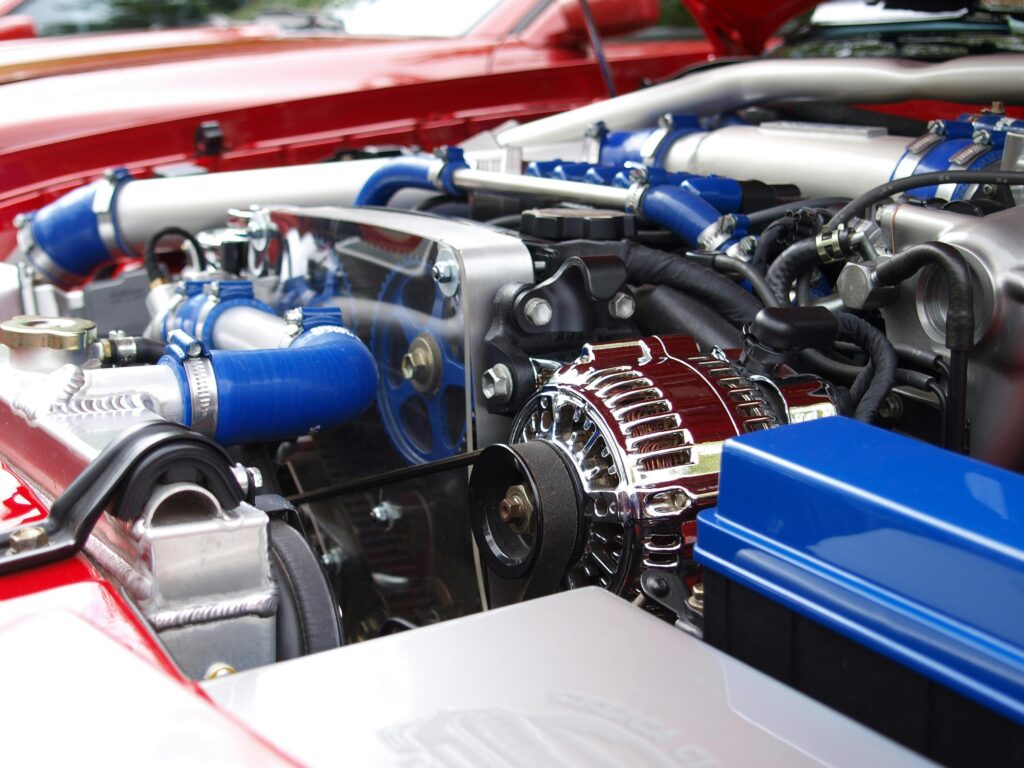
- Fluids: Oil, coolant, brake fluid, and windshield washer fluid should all be topped up. Clear visibility and well-cooled engines are essential for long drives.
- Battery: Cooler nights can strain weaker batteries. If yours is a few years old, test it before heading out.
- Wipers and lights: Shorter days mean you’ll rely more heavily on your headlights and wipers. Replace worn-out blades and check that all lights—especially brake lights—are working.
Spending ten minutes checking these items can save hours of frustration later.
Safety First: Seasonal Road Conditions to Expect
Late summer and early fall have specific hazards that many drivers underestimate. The sun sets earlier, creating more situations where glare or sudden darkness affects visibility. Fog becomes more common, particularly in early mornings or near bodies of water. Fallen leaves can make pavement slippery, acting almost like ice when wet.
Driving Adjustments for Late-Season Trips
- Night driving: As days shorten, you’re more likely to end up on dark roads. Slow down, avoid high beams when other cars are present, and stay extra alert.
- Foggy conditions: Use low-beam headlights, maintain a safe distance, and avoid sudden braking.
- Wildlife crossings: Animals—especially deer—are more active during this season. On rural roads, scan the sides of the road frequently and reduce speed at night.
- Temperature shifts: Cold nighttime temperatures can reduce tire pressure and affect handling. Check tires again if your car feels different in the morning.
Carrying a basic emergency kit is also smart. Items like a blanket, water bottle, jumper cables, portable phone charger, and flashlight are invaluable during unexpected delays.
Auto Insurance: A Reliable Companion on Every Road Trip
As enjoyable as late-season adventures are, peace of mind comes from knowing you’re protected if something goes wrong. That’s where strong insurance coverage becomes essential.
The right:
keeps you focused on enjoying the trip rather than worrying about accidents, breakdowns, or unexpected road hazards. Roadside assistance, in particular, can be incredibly reassuring—whether you need a tow, a temporary replacement vehicle, or help during an unexpected mechanical issue in a remote area.
For practical guides, you can explore the resources available on:
If you’d like to compare this improved version with the original reference article, here it is: