Feb 23, 2026
How to Make the Most of Your Grocery Budget in Canada
With food prices rising across Canada, maintaining a healthy diet can feel increasingly difficult. Inflation has affected everyday essentials, and grocery bills have become a noticeable strain on household budgets. However, with the right strategy, it’s still possible to eat well while keeping costs under control.
Here’s how you can stretch your grocery budget while maintaining strong nutritional value for you and your family.
Why Are Grocery Prices Increasing?
Over the past year, global economic pressures have significantly impacted food prices. According to Statistics Canada, grocery prices have increased due to supply chain disruptions, rising fuel costs, and international market instability.
Grain prices, for example, surged following geopolitical tensions involving major exporting countries. Because food markets operate globally, these price increases are unlikely to reverse quickly.
Understanding this reality helps shift the focus from waiting for prices to fall toward building smarter shopping habits.
Focus on Nutritional Value, Not Just Price
When budgets tighten, the temptation is to buy the cheapest available options. However, prioritizing nutritional density — foods that provide more vitamins, minerals, and protein per dollar — delivers better long-term value.
Examples of cost-effective, nutrient-rich foods include:
- Seasonal vegetables and fruits
- Legumes like lentils and beans
- Whole grains
- Eggs
- Oats
These foods provide sustained energy and support overall health without inflating your grocery bill.
If you want to better protect your long-term health, exploring Health Insurance coverage can also help safeguard your finances against unexpected medical expenses.
Reduce Waste to Save Money
One of the most effective ways to stretch your grocery budget is reducing food waste.
Simple strategies include:
- Using leftovers for next-day lunches
- Planning “clean-out-the-fridge” meals
- Freezing unused portions
- Sharing bulk purchases with friends or family
Buying larger quantities can lower the unit cost of food items — but only if the food is consumed before it spoils.
Flexibility matters. Over-planning every single meal can backfire when unexpected schedule changes cause fresh ingredients to go bad. Instead, leave room for adaptable meals that use whatever is still fresh.
Reducing waste doesn’t just save money — it increases overall efficiency in household spending.
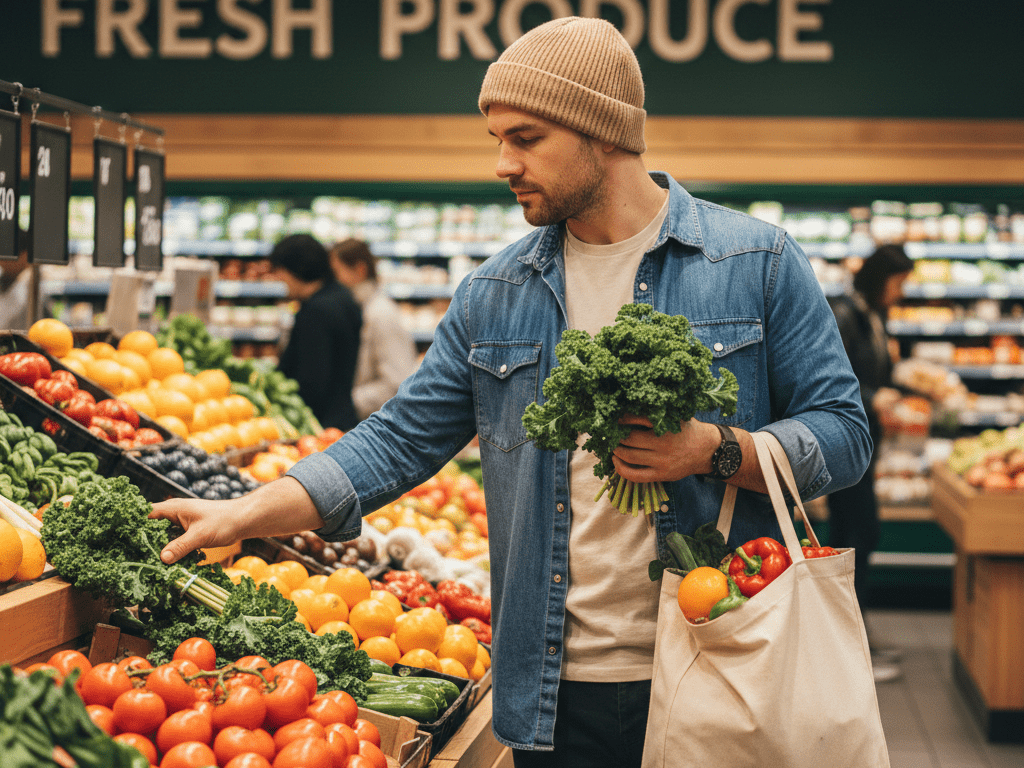
Shop Smart During Inflation
Some classic budgeting strategies become even more important during inflation:
- Never shop while hungry
- Make a realistic grocery list
- Watch for weekly promotions
- Compare unit prices, not just total prices
Unit pricing helps you identify the true value of products, especially when brands use different packaging sizes.
Timing can also matter. If your province uses time-based energy pricing, planning meal prep efficiently can lower both grocery and electricity costs.
Buy Local When Possible
Rising fuel prices increase transportation costs, which directly affect grocery prices. Buying locally grown food reduces transportation expenses and often supports your regional economy.
Local produce is frequently fresher, more seasonal, and competitively priced when supply is abundant.
Supporting local producers strengthens economic resilience within your community — a practical response to global inflation pressures.
Protecting Your Financial Stability Beyond Groceries
Rising grocery bills are one piece of a larger financial puzzle. Inflation affects housing, transportation, healthcare, and daily living costs.
Smart budgeting reduces everyday expenses — but financial protection ensures long-term stability.
For example:
- Home Insurance protects your property from unexpected damage.
- Auto Insurance safeguards you against costly accidents.
- Tenant Insurance protects renters from financial loss.
Balancing cost control with risk protection creates a more stable financial foundation, especially during uncertain economic times.
Final Thoughts
Inflation may be outside your control — but your strategy isn’t.
By focusing on nutritional value, minimizing waste, shopping strategically, and supporting local producers, you can stretch your grocery budget without compromising your health.
At the same time, financial resilience goes beyond saving money at the checkout. The right insurance coverage protects you against risks that budgeting alone cannot solve.
Ready to Strengthen Your Financial Protection?
Explore your options and secure coverage tailored to your needs.
👉 Get your personalized quote today:
https://bonjour-assurance.ca/get-a-quote/
Eat smart. Spend wisely. Stay protected.
More Details